


Newest Electric Cars: How Long EV Batteries Really Last
The Rise of Newest Electric Cars
The newest electric cars represent a major shift in the global automotive industry, as drivers move away from internal combustion engines toward cleaner, quieter, and more efficient electric vehicles. Modern EVs now offer longer ranges, faster charging, and advanced technology that rivals or surpasses traditional cars. However, despite rapid innovation, one concern continues to dominate conversations among potential buyers: battery life. Many people still believe electric car batteries degrade quickly and become unusable after a few years, making EV ownership risky.
Why EV Battery Life Is Still Questioned

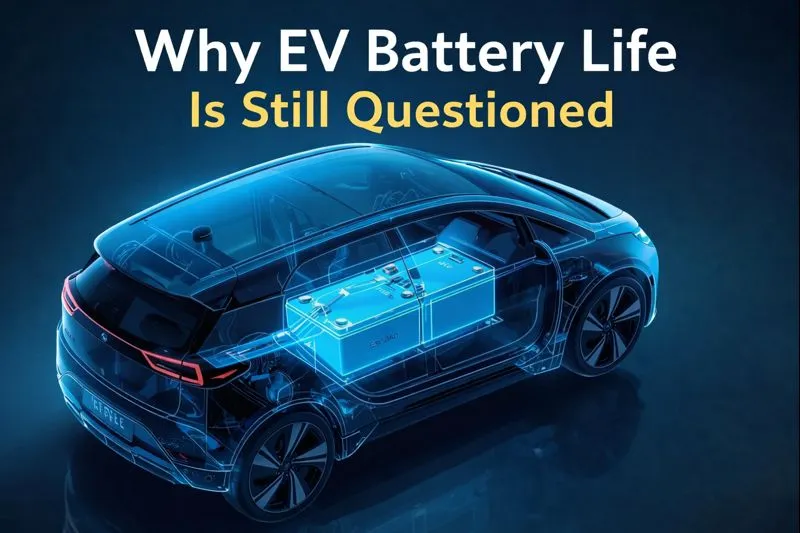
Battery degradation anxiety is rooted in early experiences with consumer electronics like smartphones and laptops, where batteries noticeably weaken over time. Many drivers assume electric cars behave the same way. The fear of losing driving range, facing expensive battery replacements, or owning a vehicle with declining value has slowed EV adoption for some consumers. These concerns persist despite years of improvements in battery chemistry, thermal management, and charging technology.
A Landmark EV Battery Study Changes the Narrative
A large new study analyzing real-world data from more than 22,700 electric cars and vans has significantly challenged these fears. The study, conducted using telematics data from a wide range of EV models, found that battery degradation is far slower and more predictable than most people expect. On average, electric vehicle batteries lose only about two percent of their capacity per year, a figure that surprises even industry experts.
What Two Percent Annual Degradation Really Means
A two percent annual loss may sound abstract, but in real-world terms it is remarkably reassuring. A new electric car with a 320-mile range would still deliver around 262 miles after ten years of use. That level of range remains more than sufficient for daily commuting, long trips, and general usability. Rather than becoming obsolete, modern EVs remain practical and reliable well into their second decade of life.
Why Electric Car Batteries Age Slowly
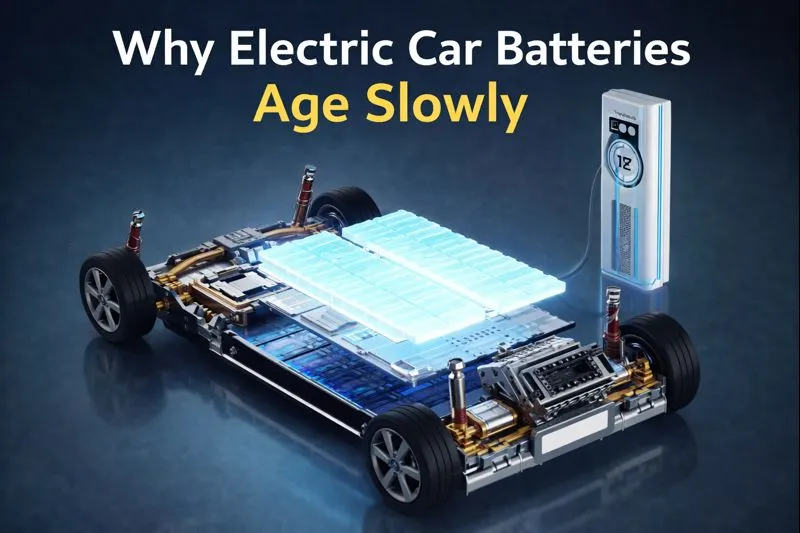
Modern electric car batteries are designed with longevity as a priority. Advanced battery management systems carefully regulate charging speed, temperature, and power delivery. These systems prevent excessive stress on the cells and ensure that the battery operates within safe limits. Unlike early EVs, today’s electric cars actively manage heat and charging behavior to slow down chemical aging inside the battery pack.
Vans vs Cars: Why Usage Matters
The study revealed that electric vans tend to experience slightly faster battery degradation than passenger cars. Vans lose an average of 2.7 percent capacity per year compared to cars at around two percent. This difference is largely due to usage patterns. Vans often travel shorter distances between charges, carry heavier loads, and rely more frequently on fast charging, all of which increase battery stress over time.
Fast Charging and Battery Degradation Explained
High-power fast charging has emerged as the single biggest factor influencing battery degradation. Vehicles that rely heavily on DC fast chargers, especially those delivering more than 100 kilowatts, tend to experience faster capacity loss. This is because high-power charging generates more heat and places greater strain on battery cells, accelerating chemical wear.
How Often Fast Charging Becomes a Problem
The data shows that occasional fast charging is not harmful. EVs that used fast chargers for less than 12 percent of total charging sessions experienced only 1.5 percent annual degradation. However, vehicles that relied on fast charging more than 40 percent of the time, particularly at power levels above 100 kW, showed degradation rates closer to three percent per year. Frequency and power level together create the greatest impact.
Why Most Drivers Don’t Need to Worry
For the average EV owner, these findings are extremely reassuring. Most drivers charge at home or work using slower Level 2 chargers and rely on fast chargers only during long trips. Under these conditions, battery degradation remains minimal. Even drivers who occasionally fast-charge will still retain a highly usable battery for many years without noticeable performance loss.
Charging to 100 Percent: Is It Dangerous?
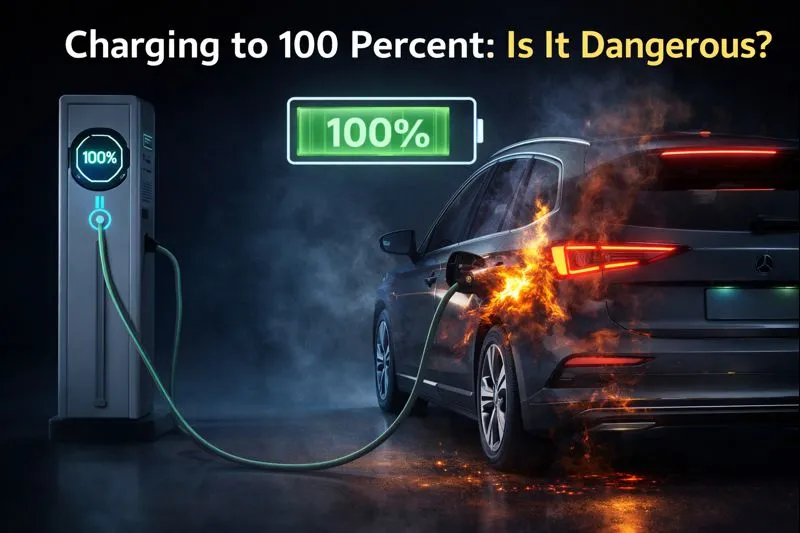
Many electric cars display warnings advising against charging to 100 percent or discharging to zero. The study found that charging to full or running the battery low does not significantly impact degradation unless the vehicle is left parked at those extremes for extended periods. Batteries are most stressed when stored fully charged or fully depleted for long durations, not during brief usage.
Why Battery Buffers Protect EV Owners
Most electric cars include built-in battery buffers that drivers never see. When a dashboard displays 100 percent, the battery is not actually at its absolute maximum capacity. Likewise, when it reads zero percent, there is still reserve energy remaining. These buffers protect the battery from extreme states that would otherwise accelerate degradation, allowing EVs to withstand real-world usage safely.
Climate’s Role in Battery Aging
Temperature also plays a role in how electric car batteries age. Vehicles operating in very hot climates experience slightly faster degradation, averaging about 0.4 percent more capacity loss per year. Heat accelerates chemical reactions inside lithium-ion cells, increasing wear. Parking in shaded areas and using climate-controlled garages can help reduce this effect.
Mileage vs Time: Which Matters More?
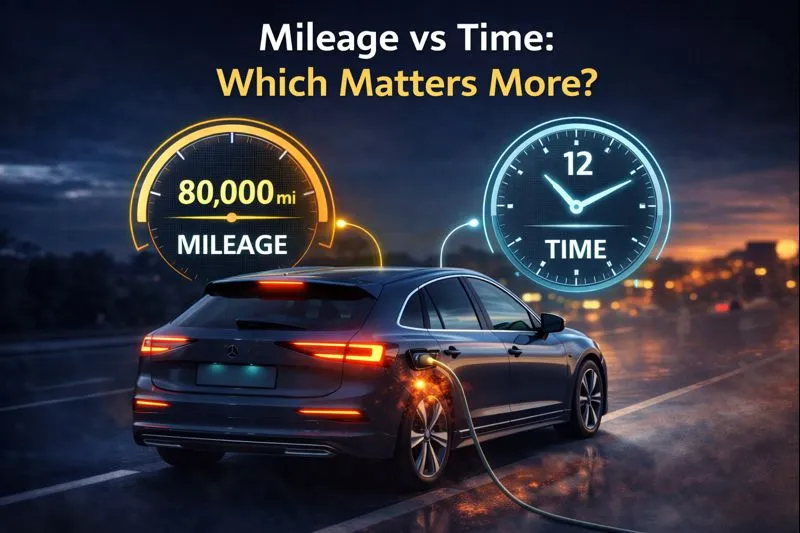
Battery degradation is influenced by both time and usage. Vehicles that complete fewer charge cycles per year degrade more slowly than those driven heavily every day. However, even high-mileage EVs remain within warranty limits for many years. The study showed that driving more miles does increase degradation slightly, but not enough to cause serious concern for long-term ownership.
EV Battery Warranties Offer Peace of Mind
Most electric vehicle manufacturers provide battery warranties lasting eight years or up to 100,000 miles, guaranteeing at least 70 percent capacity retention. The study’s findings suggest that the majority of EVs easily exceed this threshold. In fact, even vehicles that rely heavily on fast charging typically retain around 78 percent capacity after eight years.
Why Battery Degradation Slows Over Time
Battery aging does not follow a straight line. EV batteries tend to experience a slightly faster decline during their first one or two years, followed by a long period of slower, stable degradation. This means that once initial chemical settling occurs, the battery’s condition stabilizes, offering consistent performance for many years afterward.
What This Means for Resale Value
Long-lasting batteries significantly improve the resale value of electric cars. Buyers can confidently purchase used EVs knowing the battery is unlikely to fail or lose dramatic range. As battery health data becomes more transparent, electric vehicles may retain value better than traditional cars with complex mechanical systems that wear unpredictably.
Fleet Operators See EVs as Long-Term Assets
Fleet operators, who depend on cost efficiency, have embraced electric vehicles precisely because battery longevity exceeds expectations. The study confirms that working EVs hard—driving many miles and charging efficiently—still delivers excellent return on investment. Battery replacement rarely becomes necessary within a vehicle’s economic life.
Smart Charging Strategies Reduce Risk
The findings highlight the importance of balanced charging strategies. Using slower chargers whenever possible and reserving high-power fast chargers for long trips can significantly extend battery health. Drivers who adopt mindful charging habits can reduce degradation without sacrificing convenience.
Fast Charging Is Not the Enemy
Despite popular belief, fast charging itself is not inherently harmful. Modern EVs are engineered to handle rapid charging safely, with software that automatically slows charging when temperatures rise or the battery nears full capacity. Problems arise only when high-power charging is used excessively and unnecessarily.
Why EV Technology Keeps Improving
Battery technology continues to evolve rapidly. New chemistries, improved cooling systems, and smarter software are making electric car batteries more durable every year. The newest electric cars entering the market today are expected to last even longer than those included in the study.
Comparing EVs to Gasoline Cars
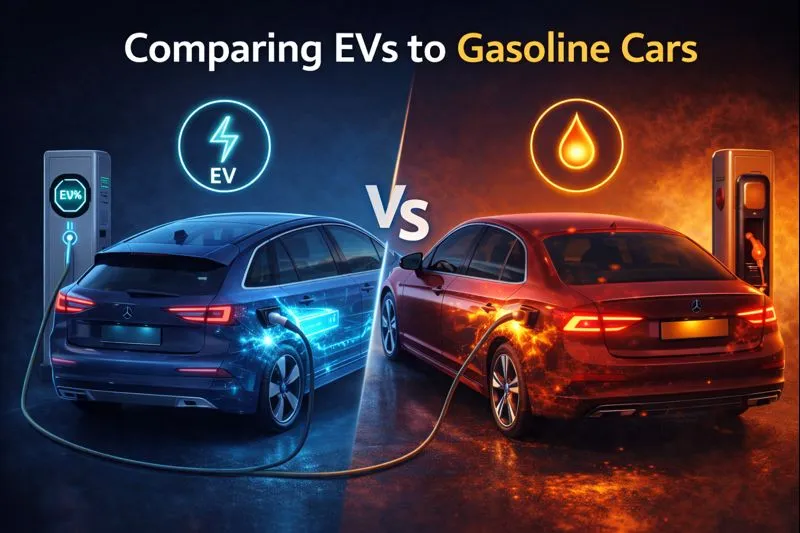
Traditional gasoline vehicles experience engine wear, transmission failure, and complex mechanical breakdowns over time. In contrast, electric vehicles have fewer moving parts and predictable battery aging. When comparing long-term reliability, EVs increasingly outperform internal combustion vehicles in durability and maintenance costs.
The Real Cost of EV Ownership Over Time
Lower maintenance requirements, stable battery performance, and reduced fuel costs make electric vehicles financially attractive over the long term. Even with moderate battery degradation, the overall ownership experience remains cost-effective compared to gasoline cars that require frequent servicing and repairs.
Why Battery Anxiety Is Fading
As more real-world data becomes available, battery anxiety is slowly disappearing. Studies like this provide concrete evidence that modern EV batteries are not fragile or short-lived. Instead, they are robust, reliable, and designed to outlast many drivers’ expectations.
Final Answer: Do Newest Electric Cars Have Long-Lasting Batteries?
Yes, the newest electric cars have batteries that last far longer than most people believe. With average degradation of about two percent per year, EVs remain highly usable for a decade or more. Even with frequent use and occasional fast charging, modern batteries stay within safe and warranty-protected limits.
Conclusion: Electric Cars Are Built for the Long Run
The latest evidence confirms that electric vehicles are not just environmentally friendly but also mechanically durable. Battery degradation is gradual, manageable, and far less dramatic than once feared. For drivers considering the switch, the message is clear: electric cars are built to last, and their batteries are no longer a reason to hesitate.