
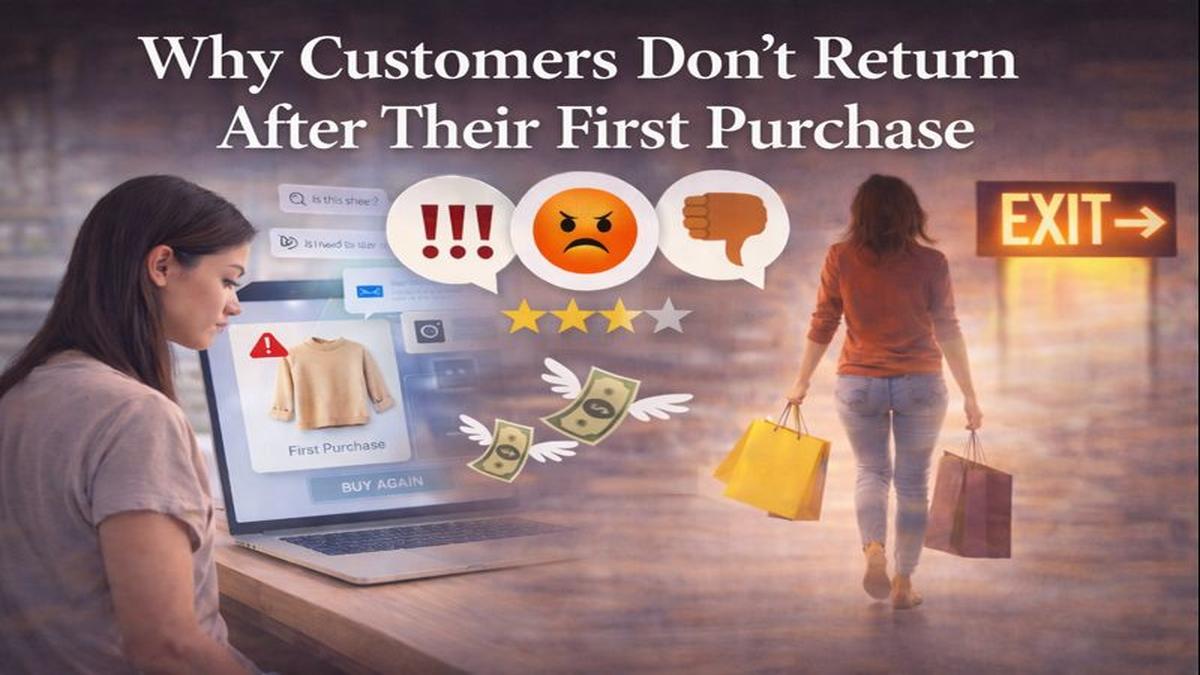
Why Customers Don’t Return After Their First Purchase
Attracting a customer for the first time is hard work. Marketing costs are rising, competition is fierce, and customers have endless choices. But here’s the uncomfortable truth many businesses ignore:
Most customers don’t leave because of price.
They leave because of experience.
A first purchase is not the finish line — it’s the beginning of a relationship. Yet countless businesses lose customers immediately after that first transaction.
In this article, we’ll explore why customers don’t come back, what’s really happening in their minds, and how you can fix it with practical, proven strategies.
The Hidden Cost of Losing First-Time Customers

Research consistently shows that:
- Acquiring a new customer costs 5–7x more than retaining one
- Increasing retention by just 5% can boost profits by 25–95%
- Most businesses lose 60–80% of first-time buyers
Yet many companies focus almost entirely on acquisition instead of retention.
Why?
Because losing customers is often silent. They don’t complain. They simply disappear.
Poor First Purchase Experience
The first purchase experience shapes everything.
Customers subconsciously ask:
- Was this easy?
- Did I feel valued?
- Did this meet my expectations?
If the experience feels confusing, stressful, or disappointing, they won’t return — even if the product is good.
Common first-purchase mistakes:
- Complicated checkout process
- Slow website or app
- Forced account creation
- Confusing pricing or hidden fees
- Lack of clear communication
Fix:
Make the first purchase effortless. Fewer steps. Clear pricing. Simple navigation. Smooth payment.
Product Didn’t Match Expectations
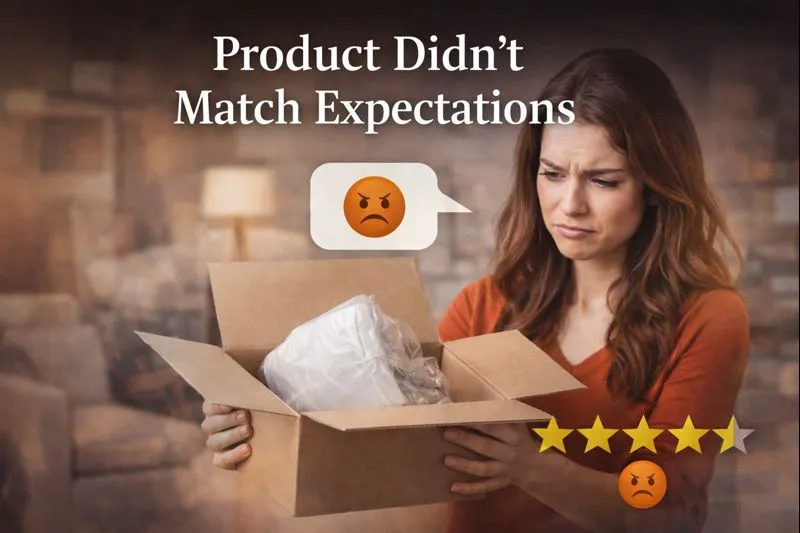
Customers buy based on promises — images, descriptions, ads, reviews.
When the product arrives and reality doesn’t match expectation, trust is broken.
Examples:
- Product looks different from photos
- Quality feels cheaper than expected
- Features don’t work as advertised
Even if the product is “okay,” disappointment kills loyalty.
Fix:
Be honest. Over-deliver instead of over-promise. Use real images, accurate descriptions, and transparent specifications.
Lack of Trust After Purchase
Trust doesn’t end at checkout — it’s tested after payment.
Customers notice:
- Do you send order confirmation?
- Can they track delivery?
- Is support available if something goes wrong?
Silence after payment creates anxiety.
Fix:
Send clear emails, delivery updates, and reassurance. Let customers know you’re still there.
Bad Customer Support Experience
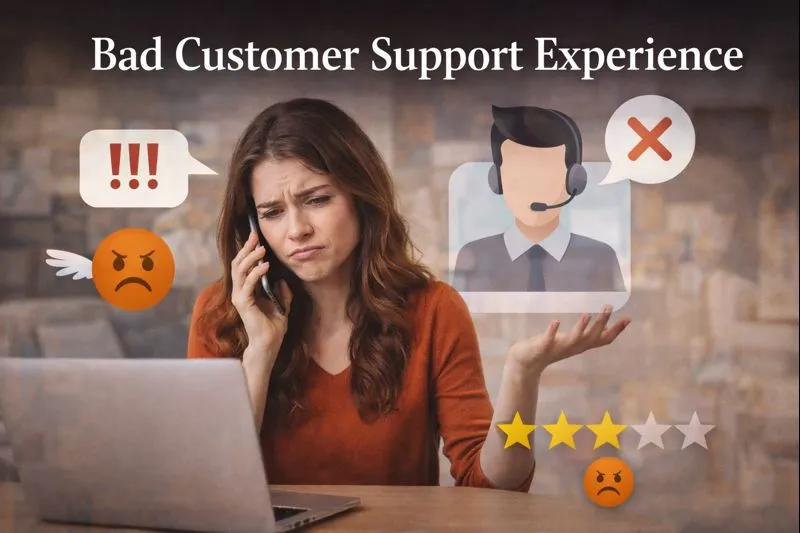
One poor support interaction can undo everything.
Customers leave when:
- Support is slow or unresponsive
- Replies feel robotic or rude
- Issues are ignored or blamed on the customer
People remember how you made them feel — especially when something went wrong.
Fix:
Train support teams to listen, empathize, and solve — not defend.
No Emotional Connection
Customers don’t stay loyal to products.
They stay loyal to brands that make them feel something.
If your brand feels cold, generic, or transactional, customers have no reason to return.
Fix:
Tell stories. Show your values. Speak like a human. Build a brand personality customers relate to.
No Reason to Come Back
Many businesses forget one simple question:
Why should the customer return?
If there’s:
- No loyalty program
- No follow-up
- No personalized offers
- No reminders
Customers move on.
Fix:
Create reasons: rewards, exclusive deals, useful content, or personalized recommendations.
Poor Onboarding or Usage Guidance
This is common with:
- Software
- Apps
- Digital products
- Complex physical products
If customers don’t understand how to use what they bought, they feel frustrated — not grateful.
Fix:
Provide onboarding emails, tutorials, videos, and simple guides immediately after purchase.
Price Wasn’t the Real Issue — Value Was

Customers may say:
“It’s too expensive.”
What they often mean:
“It didn’t feel worth it.”
Value perception matters more than price.
Fix:
Highlight benefits, outcomes, and long-term value — not just features.
Competitors Offer Better Experience
Customers compare — always.
Even if your product is good, competitors might offer:
- Faster delivery
- Better UI
- Easier returns
- More engaging communication
Fix:
Study competitors. Improve what customers care about most — convenience, speed, clarity, and care.
No Relationship After the Sale
Many businesses stop communicating once the sale is done.
No emails. No check-ins. No appreciation.
Customers feel like:
“They only wanted my money.”
Fix:
Thank customers. Ask for feedback. Share helpful content. Stay present — without spamming.
The Psychology Behind Why Customers Leave First Purchase
Customers want:
- To feel smart about their purchase
- To feel respected
- To feel understood
- To feel safe
When those needs aren’t met, they don’t argue — they exit.
How to Turn First Purchase -Time Buyers into Repeat Customers
Here’s a simple retention framework:
Step 1: Nail the First Experience
Make buying easy and stress-free.
Step 2: Set Honest Expectations
Promise less, deliver more.
Step 3: Communicate After Purchase
Reassure and guide.
Step 4: Build Trust
Support quickly. Fix issues fairly.
Step 5: Create Reasons to Return
Rewards, personalization, and value.
Simple Retention Strategies That Actually Work
- Welcome email series
- Personalized recommendations
- Loyalty points or rewards
- Follow-up asking “How was it?”
- Surprise discounts or thank-you notes
- Educational content related to the product
Final Answer: Why Customers Don’t Come Back

Customers don’t leave because of one big mistake.
They leave because of:
- Small frustrations
- Broken expectations
- Lack of connection
- Feeling unimportant
Retention isn’t about tricks.
It’s about respecting the customer journey.
Final Thoughts
If your business focuses only on getting customers but not keeping them, growth will always feel expensive and unstable.
But when you fix the first purchase experience, build trust, and give customers a reason to stay — loyalty follows naturally.
Remember:
Customers don’t come back when they feel forgotten.
They return when they feel valued.