


Britney Spears Sells Her Entire Music Catalog: A Historic $200 Million Deal
Introduction: A Defining Moment in Pop Music History
Few artists have shaped modern pop culture as profoundly as Britney Spears. From teenage superstardom to global icon, her music defined an entire generation. Now, in one of the most significant financial and symbolic moves of her career, Spears has sold the rights to her entire music catalog. The deal, reportedly worth around $200 million, marks not just a business transaction but a deeply personal milestone—one that reflects her desire for closure, control, and a carefully curated legacy.


What Britney Spears Sold and to Whom
According to legal documents and multiple confirmed reports, Britney Spears sold her ownership stake in her music catalog to Primary Wave, a major independent music publisher known for acquiring iconic artist catalogs. The agreement was signed on December 30 and includes rights to many of Spears’ most celebrated recordings and publishing assets. While exact contractual details remain private, the deal is widely described as comprehensive, covering both recording and publishing interests tied to her body of work.
How Much Is the Deal Worth?
Although the precise figure has not been officially disclosed, multiple sources close to the deal describe it as a “landmark transaction” valued near $200 million. This places Spears in the same elite category as artists like Justin Bieber and Bruce Springsteen, who have also sold their catalogs for similarly massive sums. Industry experts note that Spears’ catalog, with its enduring global streaming power and licensing appeal, easily justifies such a valuation.
Why Britney Spears Chose to Sell Now
Timing played a crucial role in this decision. After years under a restrictive conservatorship that controlled her finances and career, Spears has been reclaiming autonomy over her life. Selling her catalog represents a decisive step toward financial independence and emotional closure. Sources say she is at peace with the decision and views it not as a loss, but as a way to protect her music while freeing herself from ongoing industry pressures.


A Catalog That Defined a Generation
Britney Spears’ catalog includes some of the most recognizable pop songs of all time. Tracks like “…Baby One More Time,” “Oops!… I Did It Again,” “Toxic,” “Gimme More,” “Circus,” and “Stronger” didn’t just top charts—they reshaped pop music’s sound, image, and global reach. These songs continue to generate revenue through streaming, licensing, film, television, advertising, and social media trends, making the catalog a long-term asset for its new owner.
Primary Wave’s Strategy and Why Britney Fits Perfectly
Primary Wave has built its reputation by acquiring catalogs with strong cultural resonance and long-term commercial viability. The company already controls music from legends like Prince, Whitney Houston, and Bob Marley. Britney Spears fits seamlessly into this portfolio. Her music appeals across generations, from original fans to younger audiences discovering her work through TikTok and streaming playlists, ensuring sustained relevance.

How This Deal Compares to Other Artist Catalog Sales
In recent years, the music industry has seen a wave of high-profile catalog sales. Bruce Springsteen sold his catalog for roughly $500 million, while Justin Bieber’s deal reportedly reached $200 million. Britney’s agreement aligns with these transactions, reinforcing her status as one of the most commercially valuable pop artists of all time. Unlike some peers, however, Spears’ sale carries an added emotional weight due to her unique personal history.
The Shadow of the Conservatorship
For over 13 years, Britney Spears lived under a court-ordered conservatorship that gave her father control over her finances and career decisions. During that time, her music continued generating enormous profits—profits she had limited access to. The sale of her catalog comes years after the conservatorship ended in 2021, symbolizing her reclaiming full authority over the fruits of her labor.
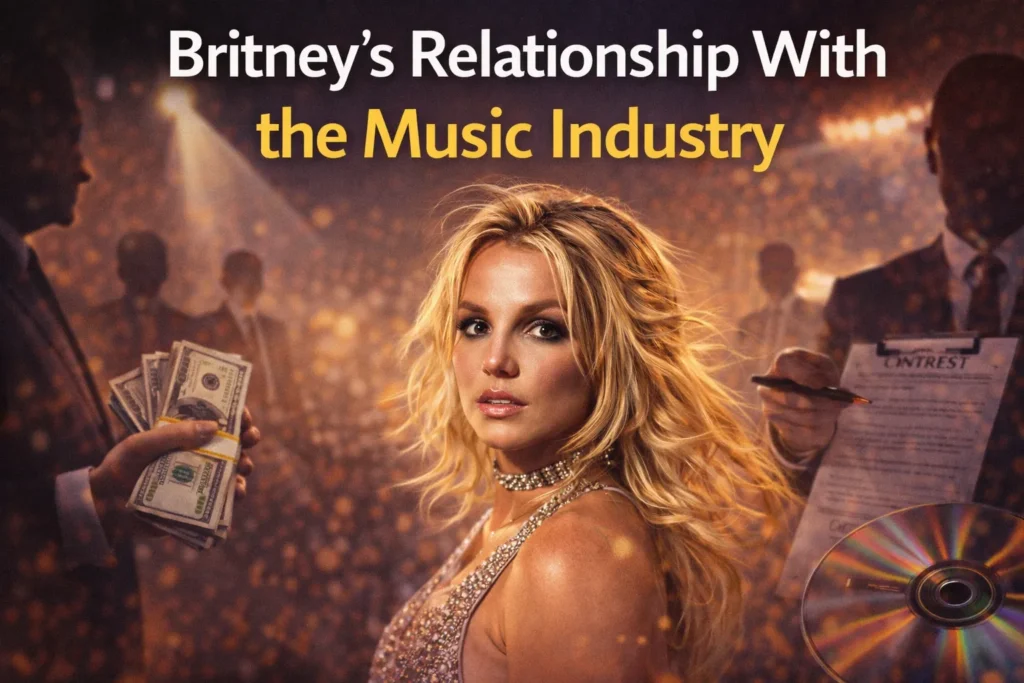
Britney’s Relationship With the Music Industry
In January 2024, Spears publicly stated she would never return to the music industry. Her last official release was a duet with Elton John in 2022. The catalog sale reinforces that statement. Rather than planning a comeback, Spears appears focused on closing chapters, protecting her work, and stepping away from an industry that brought both extraordinary success and deep personal pain.
What This Means for Fans
For fans, the sale does not mean Britney’s music disappears or changes. Her songs will remain available on streaming platforms and continue to be licensed. However, creative decisions about where and how the music is used—such as commercials, films, or biopics—will now be guided by Primary Wave. Fans may see a renewed push to introduce her music to new audiences worldwide.
The Financial Security Behind the Decision
Selling a catalog provides immediate, guaranteed wealth. For Spears, this means long-term financial stability without needing to tour, record, or negotiate future deals. After years of legal battles and public scrutiny, the certainty of such a payout offers peace of mind and the freedom to live life on her own terms.
Britney’s Life After the Catalog Sale
Sources say Spears has been celebrating quietly, spending time with her children and focusing on personal healing. She has largely stepped back from public life, occasionally sharing moments through social media but avoiding the spotlight that once consumed her. The catalog sale fits neatly into this more private, self-directed chapter.
Why Artists Are Selling Their Catalogs
The trend of artists selling catalogs is driven by several factors: rising interest rates, changing tax laws, and the predictable revenue streams generated by streaming. For artists like Britney Spears, it also offers a way to secure legacy control indirectly while avoiding the ongoing complexities of rights management.
Cultural Impact Beyond the Numbers
Britney Spears’ influence goes far beyond charts and dollars. She helped define the image of modern pop stardom, influenced fashion, dance, and celebrity culture, and became a symbol of both fame’s power and its dangers. The catalog sale cements her place not just as a performer, but as a permanent fixture in cultural history.

What Happens to Britney’s Legacy Now
With Primary Wave overseeing her catalog, Britney’s music may be reintroduced through documentaries, films, tribute projects, and strategic partnerships. While Spears herself may never return to the stage, her work will continue to evolve in the public consciousness, curated by a company built to preserve and amplify iconic legacies.
A Business Decision, Not a Goodbye
Importantly, selling a catalog does not erase authorship or ownership of identity. Britney Spears remains the voice, face, and soul behind every song. The deal is a financial and administrative shift—not a farewell to her fans or her place in music history.
Public Reaction and Industry Response
Reaction to the news has been mixed but largely supportive. Fans expressed sadness at the symbolic finality of the sale, while industry insiders praised the timing and valuation. Many see it as a smart, empowering move that ensures Spears benefits fully from decades of work.

The Emotional Weight of “Selling a Piece of Me”
Britney herself reportedly described the sale as selling “a piece of me.” That phrase captures the emotional complexity of the decision. For an artist whose identity was intertwined with her music from childhood, letting go of ownership is both liberating and deeply personal.
How This Deal Will Be Remembered
In the years ahead, this sale will likely be viewed as one of the defining moments of Britney Spears’ post-conservatorship era. It represents control regained, wounds acknowledged, and a future shaped by choice rather than obligation.
Final Thoughts: Control, Closure, and a Lasting Legacy
Britney Spears’ decision to sell her entire music catalog is about far more than money. It is about autonomy, healing, and legacy. By choosing when and how to let go, she has rewritten the narrative once again—this time on her own terms. Her music will live on, not just as entertainment, but as a testament to resilience, influence, and the enduring power of pop.