


Bud Cort, Iconic Star of ‘Harold and Maude,’ Dies at 77
A Cult Classic Actor Who Defined a Generation
The film world has lost one of its most distinctive and quietly influential performers. Bud Cort, best known for his unforgettable performance in Harold and Maude, has died at the age of 77. Cort passed away in Norwalk, Connecticut, following complications from pneumonia after a prolonged illness. Though he appeared in more than 40 films and numerous television and theater productions across five decades, he remained eternally associated with one defining role—that of Harold Chasen, the morose, death-obsessed teenager who falls in love with a vibrant 79-year-old woman. That single performance not only launched his career but also shaped the trajectory of his life in ways both rewarding and restrictive.
The Role That Made Him Famous: Harold Chasen
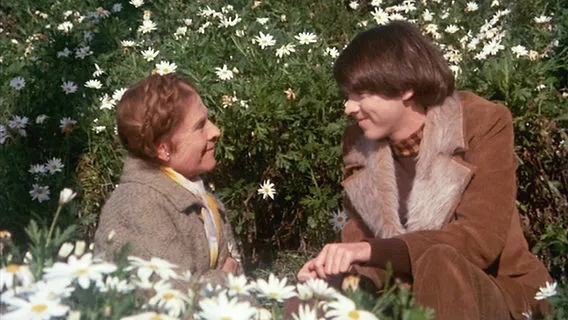
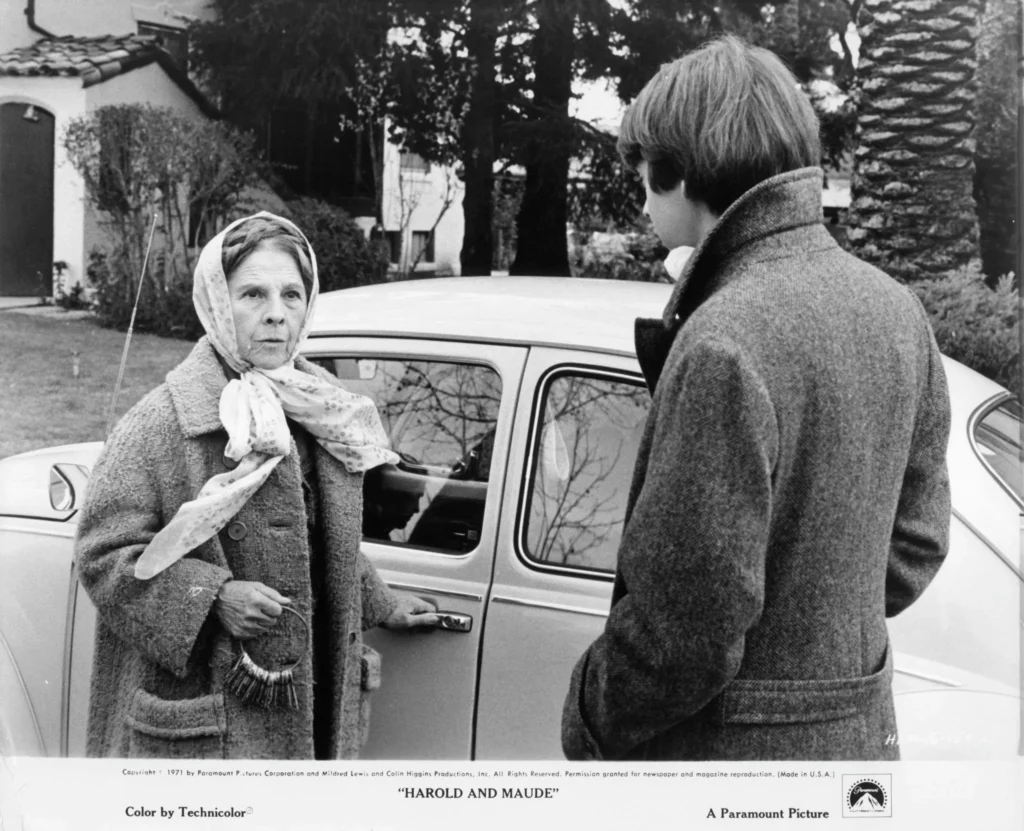
When Hal Ashby cast Cort as Harold in 1971, few could have predicted that the film would become one of the most beloved cult classics in cinematic history. In Harold and Maude, Cort played a wealthy young man fascinated with staging elaborate mock suicides, a character both darkly comedic and deeply wounded. Opposite him was the legendary Ruth Gordon, whose portrayal of Maude—a life-affirming Holocaust survivor living in a converted railroad car—provided the emotional counterweight to Harold’s gloom. Their unconventional romance shocked early audiences and critics, many of whom dismissed the film as bizarre or morbid. Yet over time, especially on college campuses throughout the 1970s, the film resonated with a generation questioning authority, tradition, and societal norms.

From Critical Flop to Cultural Phenomenon
Upon its initial release, Harold and Maude received mixed-to-negative reviews and underperformed at the box office. Some critics found its tone unsettling, unable to reconcile its humor with its meditations on death and trauma. But as the years passed, midnight screenings and word-of-mouth enthusiasm transformed the film into a cultural touchstone. The movie’s anti-establishment sensibility, gentle rebellion, and bittersweet philosophy on life and mortality struck a chord with young viewers navigating the aftermath of the Vietnam War and the fading glow of the counterculture movement. Bud Cort’s portrayal of Harold became emblematic of alienated youth—sensitive, misunderstood, yet yearning for connection.
The Blessing and Curse of Iconic Success
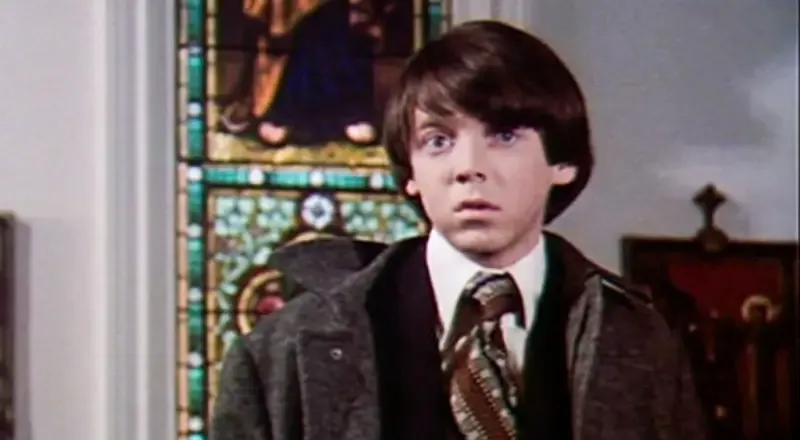
For Bud Cort, Harold was both a career-making breakthrough and a creative constraint. The performance earned him Golden Globe and BAFTA nominations, cementing his place in 1970s cinema. Yet the very uniqueness that made the role powerful also led to typecasting. Cort later admitted that he struggled to escape Harold’s shadow, saying the film “closed a lot of doors” in terms of his development as an actor. Producers often saw him as eccentric or offbeat, offering roles that mirrored Harold’s oddball personality. Cort resisted becoming a caricature, turning down parts he feared would pigeonhole him permanently.

Early Career: Discovery by Robert Altman
Before Harold and Maude, Cort had already begun building an intriguing résumé. Born Walter Edward Cox in Rye, New York, he adopted the name Bud Cort early in his acting journey. His big break came when acclaimed director Robert Altman discovered him performing in a nightclub comedy act. Altman cast him in the 1970 anti-war satire M*A*S*H, where Cort played Private Lorenzo Boone. Altman quickly recognized Cort’s unusual screen presence and gave him the lead role in Brewster McCloud, an eccentric story about a young recluse attempting to build wings and fly. Though Brewster McCloud initially puzzled critics, it later gained appreciation for its surreal charm.
A Career Interrupted by Tragedy
Cort’s momentum was severely disrupted in 1979 when he was involved in a devastating car accident on the Hollywood Freeway. The crash left him with multiple fractures and serious facial injuries requiring extensive plastic surgery. The accident sidelined him for years and altered both his appearance and his career trajectory. In an industry often unforgiving about physical change, Cort faced renewed challenges finding work. Yet he persevered, gradually reemerging in supporting roles that showcased his subtle intensity.
Reinventing Himself in Supporting Roles
While Harold remained his most iconic character, Cort built a second act as a character actor in notable films throughout the 1980s, 1990s, and 2000s. He voiced a sentient computer in Electric Dreams, appeared in Michael Mann’s crime thriller Heat, and portrayed a homeless man revealed to be divine in Kevin Smith’s Dogma. He joined Wes Anderson’s ensemble cast in The Life Aquatic with Steve Zissou, bringing his signature quiet eccentricity to the director’s whimsical world. These roles, though smaller, reminded audiences of Cort’s versatility and distinctive screen presence.
Theater Roots and Artistic Integrity
Throughout his career, Cort frequently returned to the theater, where he felt less confined by typecasting. On stage, he explored a wider range of characters and genres, proving that his talents extended far beyond Harold’s melancholy charm. Cort often described acting not as a career choice but as an inevitability, suggesting that performance was woven into his very identity. Theater provided him with creative fulfillment during periods when Hollywood seemed uncertain about how to cast him.
Why Harold and Maude Still Matters Today
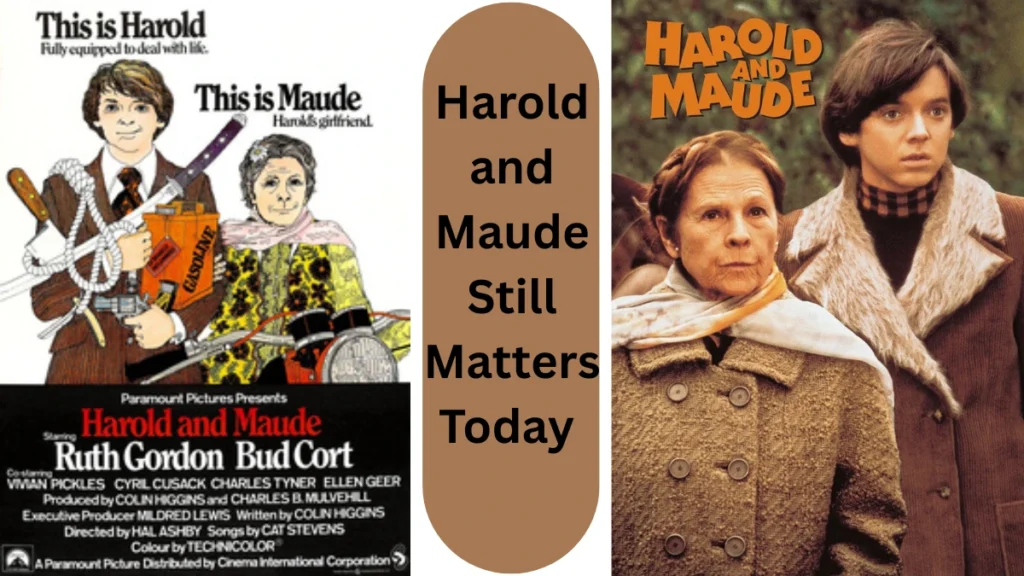
More than five decades after its release, Harold and Maude remains startlingly fresh. Its themes of life, death, individuality, and resistance to conformity continue to resonate. The film’s soundtrack, featuring songs by Cat Stevens (now Yusuf Islam), adds to its emotional power. Bud Cort’s Harold remains one of cinema’s most tender portrayals of youthful alienation. In an era increasingly open to unconventional storytelling, the film feels less shocking and more visionary.

A Symbol of 1970s Counterculture Cinema
Harold and Maude stands alongside other boundary-pushing films of the 1970s that challenged mainstream narratives. The era allowed filmmakers like Hal Ashby to explore moral ambiguity, social commentary, and emotional complexity. Cort became an accidental symbol of this cinematic revolution—a face of introspection amid Hollywood’s shifting landscape. His wide-eyed vulnerability contrasted sharply with traditional leading men, offering audiences a new archetype.
Personal Reflections and Regrets
Cort later reflected candidly on the opportunities he declined, including a role in One Flew Over the Cuckoo’s Nest. He admitted that fear of typecasting influenced some decisions, choices he sometimes questioned in hindsight. Yet his commitment to artistic integrity defined him. He preferred meaningful roles over predictable fame, even if that meant stepping out of the spotlight.
Legacy Beyond a Single Role
While Harold will forever be Bud Cort’s defining performance, his broader legacy lies in his refusal to conform. He navigated fame, injury, and industry uncertainty with resilience. Younger actors and filmmakers continue to cite Harold and Maude as inspiration, ensuring Cort’s influence persists in contemporary cinema.

Survived by Family and Remembered by Fans
Bud Cort is survived by siblings, nieces, and nephews who remember him not only as an actor but as a devoted family member. Fans around the world continue to share clips, quotes, and memories from Harold and Maude, proving that his work transcends generations.
Final Thoughts: A Quiet Legend of American Film
Bud Cort may never have become a conventional Hollywood superstar, but his impact is undeniable. In a single role, he captured the fragile complexity of youth searching for meaning. Harold and Maude endures not because it shocked audiences, but because it offered hope—that even in darkness, joy and connection are possible. Cort’s performance remains a testament to the power of subtlety, sincerity, and emotional truth. As film lovers revisit Harold’s unlikely love story, they will continue to rediscover Bud Cort’s gift: the ability to make the strange feel tender, and the melancholy feel luminous.