


The Elizabeth Smart Kidnapping: What Really Happened and What Netflix Reveals
Elizabeth Smart and the Case That Shook America
The kidnapping of Elizabeth Smart remains one of the most disturbing and closely followed child abduction cases in U.S. history. In June 2002, the 14-year-old girl was taken from her bedroom in Salt Lake City, Utah, while her family slept just feet away. What followed was a nine-month ordeal that captured national attention, mobilized thousands of volunteers, and forever changed how America viewed missing-child cases. Elizabeth’s story is not only about survival but about resilience, truth, and reclaiming identity after unimaginable trauma.
Who Kidnapped Elizabeth Smart?
Elizabeth Smart was kidnapped by Brian David Mitchell, a self-proclaimed religious prophet, with the assistance of his wife Wanda Barzee. Mitchell had previously worked briefly at the Smart family home, which gave him knowledge of the layout and the children’s sleeping arrangements. On the night of June 5, 2002, he entered Elizabeth’s bedroom armed with a knife and threatened her younger sister into silence before taking Elizabeth into the dark.
The Night of the Kidnapping
The abduction itself was swift, terrifying, and calculated. Elizabeth was dragged from her bed and forced to walk barefoot into the night. Her sister Mary Katherine, only nine years old, pretended to be asleep after being threatened with death if she spoke. This detail later became critical to solving the case. The fact that Elizabeth was taken from inside her home deeply unsettled the nation, shattering the belief that children were safest in their own bedrooms.
How Long Was Elizabeth Smart Missing?
Elizabeth Smart was missing for nine months, from June 2002 until March 12, 2003. During that time, she was moved between remote campsites in the Utah wilderness and kept under constant psychological and physical control. Despite being seen by members of the public on multiple occasions, she did not escape—an issue later misunderstood by critics and addressed powerfully in documentaries and survivor advocacy discussions.
Life in Captivity Under Brian David Mitchell
During her captivity, Elizabeth endured repeated sexual abuse, starvation, isolation, and extreme psychological manipulation. Mitchell used distorted religious teachings to justify his actions, convincing Elizabeth that escape would result in her death or her family’s harm. This control explains why she did not run, a reality now widely recognized by trauma experts but poorly understood at the time.
Wanda Barzee’s Role in the Kidnapping
Wanda Barzee was not a passive bystander. She actively participated in Elizabeth’s confinement, helped guard her, and reinforced Mitchell’s delusions. Barzee later pleaded guilty and cooperated with prosecutors, receiving a significantly lighter sentence than Mitchell. Her release from prison in 2018 sparked outrage and renewed conversations about justice, rehabilitation, and accountability.
How Elizabeth Smart Was Found
Elizabeth was rescued after police stopped Mitchell and Barzee walking down a street in Sandy, Utah. She was disguised in robes and veils, but she identified herself when officers questioned the couple. The breakthrough that led to her recovery came from her younger sister’s memory—Mary Katherine recalled Mitchell’s voice months after the kidnapping, leading to a composite sketch that circulated nationwide.
The Role of Elizabeth Smart’s Family
Elizabeth’s parents, Ed Smart and Lois Smart, became tireless advocates during the search. They made constant media appearances, pleaded publicly for Elizabeth’s return, and later worked to improve child safety laws. Their determination kept the case alive when many others might have gone cold.


The Trial and Sentencing of the Kidnappers
Brian David Mitchell was found guilty in 2010 and sentenced to life in prison, where he remains today. Elizabeth’s courtroom testimony was instrumental, as she detailed her captivity with courage and clarity. Wanda Barzee received a shorter sentence after pleading guilty and was released early, a decision Elizabeth later publicly criticized.
Elizabeth Smart’s Life After Rescue
Since her rescue, Elizabeth Smart has refused to be defined solely by her trauma. She married, became a mother, authored books, and founded the Elizabeth Smart Foundation. Her work focuses on survivor empowerment, education, and ending the stigma around sexual violence and abduction. She has testified before Congress and influenced national policy related to missing children.
The Netflix Documentary: Kidnapped: Elizabeth Smart
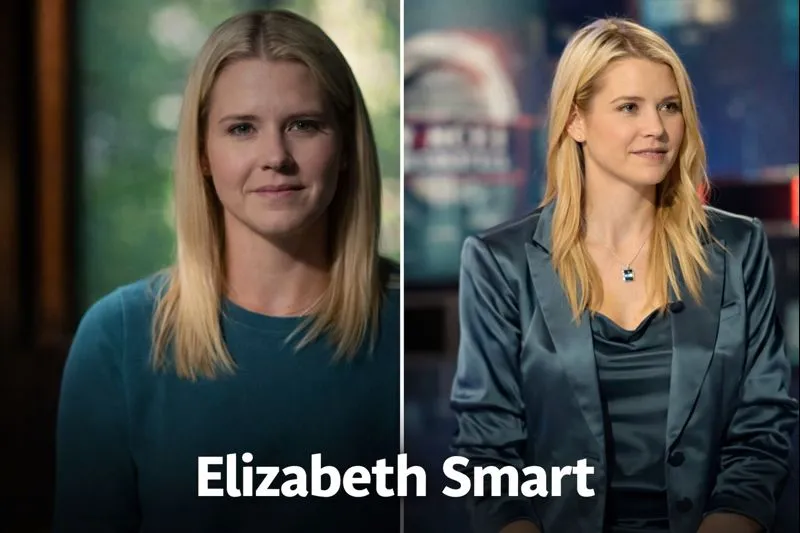
The Netflix documentary Kidnapped: Elizabeth Smart revisits the case through Elizabeth’s own voice. Rather than sensationalizing the crime, the film centers on survival, recovery, and the psychological realities of abuse. It includes never-before-seen material and reflections that challenge long-held misconceptions about victim behavior.
What the Documentary Reveals About Faith and Trauma
One of the most powerful aspects of the documentary is Elizabeth’s discussion of faith. Raised Mormon, she explains how Mitchell twisted religious ideas to control her and how, after her rescue, she had to redefine her beliefs on her own terms. The film openly explores how shame and silence around sexual violence affected her healing.
Why Elizabeth Smart Didn’t Escape
A common and harmful question—“Why didn’t she run?”—is directly addressed. Elizabeth explains that fear, conditioning, threats, and trauma made escape seem impossible. The documentary helps audiences understand coercive control, a concept now recognized by psychologists but rarely discussed in 2002.
Public Reaction to the Netflix Documentary
Viewers have praised the documentary for its sensitivity and honesty. Many say it changed how they understand trauma and survivor behavior. Rather than focusing on the kidnappers, the film reclaims the narrative for Elizabeth herself, allowing her story to be one of strength rather than victimhood.
Where Are Brian David Mitchell and Wanda Barzee Now?
Brian David Mitchell remains imprisoned for life. Wanda Barzee lives under strict supervision as a registered sex offender, though her release continues to spark debate. Elizabeth has spoken openly about her disappointment with the justice system’s handling of Barzee’s sentence.
Why the Elizabeth Smart Case Still Matters Today
Elizabeth Smart’s story continues to influence how society responds to missing children, survivors of sexual violence, and trauma victims. Her advocacy has reshaped conversations around consent, coercion, and victim blaming. The Netflix documentary ensures that the lessons of her case reach a new generation.
Final Thoughts: More Than a Kidnapping Story
Elizabeth Smart is not “the girl who was kidnapped.” She is a survivor, advocate, mother, and voice for millions who have endured abuse in silence. Her story, especially as told in the Netflix documentary, is not about fear—it is about truth, resilience, and reclaiming power after the unimaginable.