
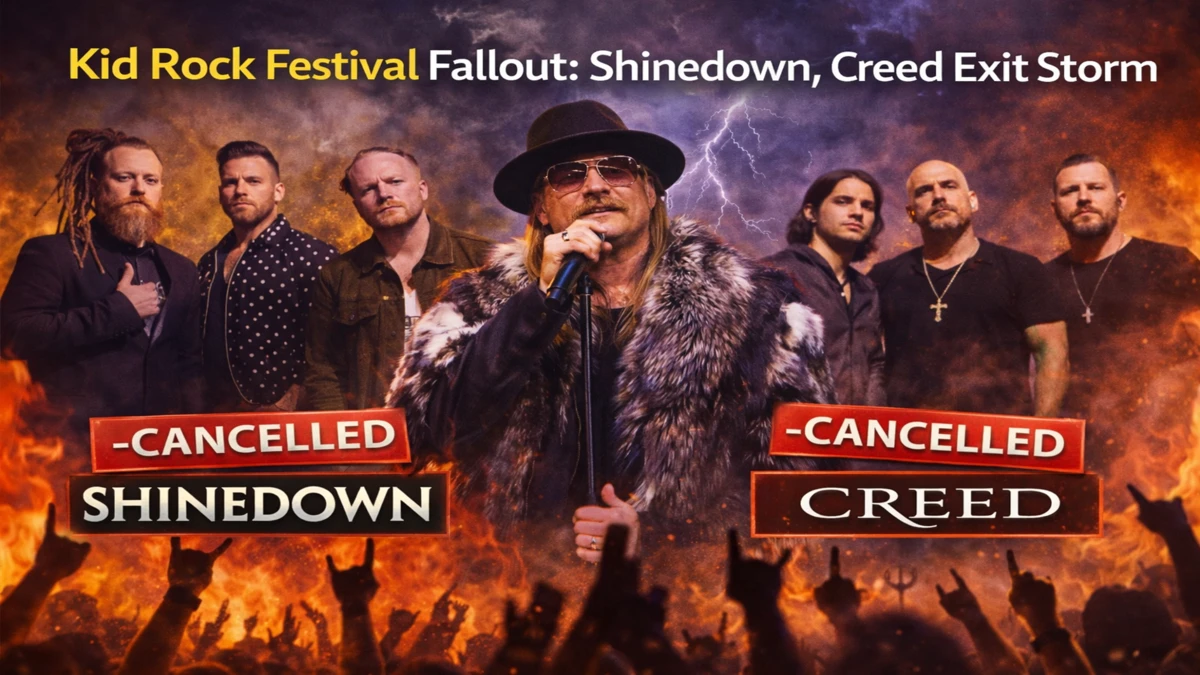
Kid Rock’s Country Music Festival Sparks Controversy as Shinedown and Creed Exit
Introduction: When Music, Politics, and Culture Collide
The American music scene is no stranger to controversy, but few events in 2026 have sparked as much debate as the fallout surrounding Kid Rock’s country-rock music festival, Rock the Country. What began as a patriotic celebration tied to America’s 250th anniversary has quickly transformed into a flashpoint for cultural division, artist withdrawals, and political debate. With major bands like Shinedown and Creed stepping away, the festival has become a symbol of the growing tension between entertainment and ideology.
What Is Rock the Country Festival?
Rock the Country is a multi-city country and rock music festival founded by Kid Rock, designed to celebrate American identity, tradition, and independence. The tour was scheduled to travel across several U.S. states in 2026, blending country, rock, and southern culture with high-profile performers and large outdoor crowds. While officially billed as non-political, the festival’s branding, artist lineup, and affiliations quickly gave it a distinct ideological tone.
Kid Rock’s Role and Political Image
Kid Rock has long been outspoken about his political beliefs, openly supporting conservative causes and former President Donald Trump. His presence at political rallies, public criticism of progressive policies, and alignment with MAGA-leaning groups made Rock the Country more than just a music event in the public eye. For many fans, this authenticity was appealing. For others, it raised concerns about inclusivity and artistic neutrality.

Why the Festival Became Politically Charged
Although Rock the Country did not initially market itself as a political rally, its messaging emphasized “traditional American values,” patriotism, and resistance to what organizers described as “woke culture.” This framing resonated strongly with conservative audiences but alienated others who felt the festival blurred the line between music and political activism. Over time, social media amplified these concerns, turning the festival into a cultural battleground.
Shinedown’s Sudden Exit Explained
The controversy reached a boiling point when Shinedown announced their withdrawal from the festival. In a public statement, the band said their mission was to “unite, not divide,” and they did not want to participate in an event they felt could deepen societal divisions. The announcement immediately went viral, drawing both praise and backlash from fans across the political spectrum.
Fan Backlash Against Shinedown
Many longtime Shinedown fans reacted angrily, accusing the band of caving to “woke pressure” or abandoning patriotic values. Social media platforms were flooded with comments criticizing the decision, with some fans vowing to stop supporting the band. Others defended Shinedown, arguing that music should transcend politics and that unity was a valid artistic stance.
Supporters Defend Shinedown’s Decision
On the opposite side, supporters praised Shinedown for prioritizing inclusivity and avoiding political polarization. They argued that performing at Rock the Country would implicitly endorse an ideology not shared by all fans. For these supporters, the band’s withdrawal represented artistic integrity rather than cowardice.

Creed Quietly Removed From the Lineup
While Shinedown made a public announcement, Creed’s departure was quieter but equally significant. The band’s name was removed from the festival website without explanation, fueling speculation. Given Creed’s history of blending spirituality and rock music, some fans were surprised by the exit, while others viewed it as a strategic move to avoid controversy.
Other Artists Who Dropped Out
Shinedown and Creed were not alone. Artists such as Morgan Wade, Carter Faith, and Ludacris were also removed from or withdrew from the lineup. In Ludacris’s case, representatives later claimed his inclusion was a “mix-up,” but the timing added to the narrative of artists distancing themselves from the event.
Festival Cancellation in South Carolina
The controversy had tangible consequences when the Anderson, South Carolina stop of Rock the Country was officially canceled. Local officials confirmed the decision after learning multiple artists had withdrawn. The cancellation dealt a blow to the region, which had anticipated millions in economic benefits from tourism, hotels, and local businesses.
Economic Impact on Host Communities
Large music festivals often bring significant revenue to host cities, and Rock the Country was no exception. Officials estimated that previous editions generated tens of millions of dollars for local economies. The cancellation highlighted how cultural and political disputes can have real financial consequences beyond social media debates.
Kid Rock’s Response to the Fallout
Kid Rock has not directly apologized or backed down in response to the controversy. Instead, he has continued promoting remaining festival dates and upcoming performances, including high-profile appearances tied to conservative organizations. His stance reinforces his brand identity but also deepens the divide between supporters and critics.
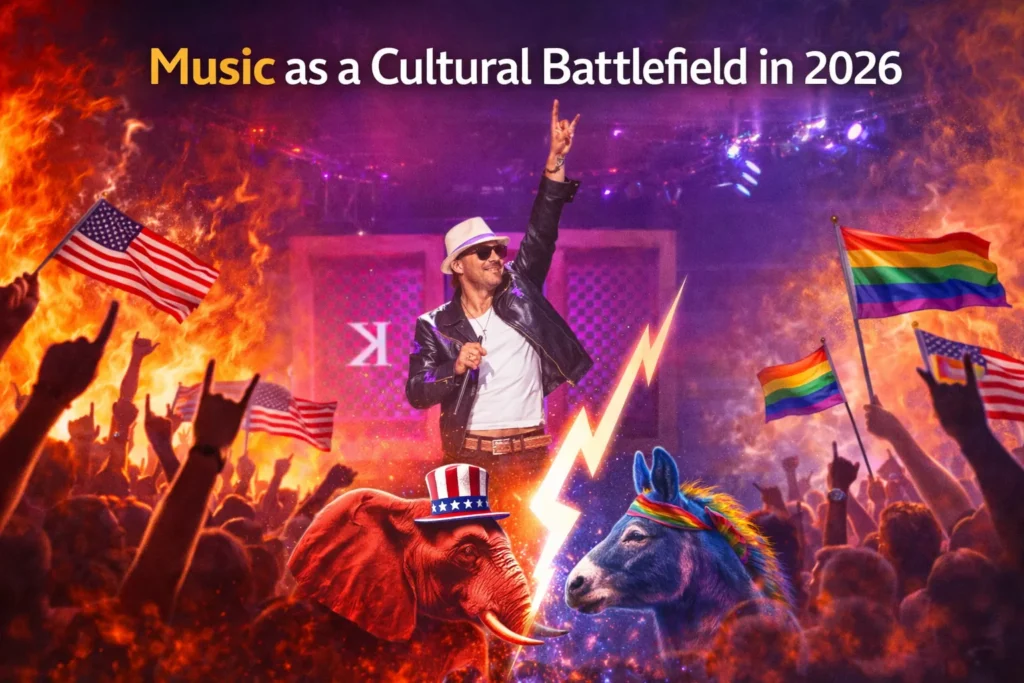
Music as a Cultural Battlefield in 2026
The Rock the Country controversy reflects a broader trend in American culture where music is increasingly intertwined with political identity. Artists are now expected to take positions — or risk backlash for refusing to do so. Festivals, once neutral spaces for entertainment, are becoming symbolic extensions of cultural movements.
Can Music Ever Be Apolitical Again?
Many fans argue that music should remain a refuge from politics, a space for shared human experience. Others believe artists inevitably reflect the world they live in. The Rock the Country debate shows how difficult it has become to separate art from ideology in a hyper-connected, polarized society.
Social Media’s Role in Escalating the Controversy
Social platforms amplified every statement, withdrawal, and rumor surrounding the festival. What might once have been a quiet lineup change became national news within hours. Algorithms rewarded outrage, pushing extreme opinions to the forefront and leaving little room for nuance.
Media Coverage and Narrative Framing
Different media outlets framed the controversy in sharply contrasting ways. Conservative outlets emphasized “woke cancel culture,” while others focused on artistic freedom and unity. This split coverage reinforced existing audience biases, ensuring that no single narrative dominated public perception.
Remaining Artists and the Festival’s Future
Despite the exits, Rock the Country still lists major acts like Jason Aldean, Jelly Roll, and Brooks & Dunn. Whether the festival can recover its momentum remains uncertain. Attendance, sponsorship, and future bookings will likely depend on how the brand navigates its political image going forward.
What This Means for Artists Going Forward
The fallout sends a clear message to artists: festival participation is no longer just a booking decision — it’s a public statement. Musicians must now weigh artistic exposure against potential backlash, knowing that silence can be interpreted as endorsement.
The Risk of Alienating Fan Bases
Both staying and leaving come with risks. Artists who remain may lose fans who oppose the festival’s ideology, while those who exit risk backlash from loyal supporters. The Shinedown and Creed situations illustrate how quickly fan relationships can fracture.
Is This a Turning Point for Country Music Festivals?
Country and rock festivals have traditionally leaned toward patriotic themes, but the Rock the Country controversy may force organizers to rethink branding. Future events may either double down on ideology or attempt to reclaim neutrality to attract broader audiences.
Public Opinion Remains Deeply Divided
Polls, comments, and online discussions show no consensus. Some see Rock the Country as a celebration of American pride, others as exclusionary. This division mirrors the broader national mood, making the festival a microcosm of American cultural tension in 2026.
Lessons for Event Organizers
The controversy highlights the importance of clear messaging. Ambiguity around political intent can lead to misaligned expectations among artists, fans, and sponsors. Transparency may not prevent backlash, but it can reduce confusion and fallout.
The Long-Term Impact on Kid Rock’s Brand
For Kid Rock, the controversy reinforces his image as a defiant cultural figure. While this strengthens loyalty among supporters, it may limit mainstream partnerships. Whether that trade-off matters depends on how he defines success.
Conclusion: More Than Just a Music Festival
The Rock the Country saga is not just about canceled shows or missing headliners. It’s about how deeply politics now shape entertainment, how artists navigate identity in public spaces, and how audiences respond when art reflects ideology. As Shinedown, Creed, and others step away, the festival becomes a case study in modern cultural conflict — one where music, once a unifier, now mirrors the divisions of the world around it.