
Netflix–Warner Bros Discovery: The Deal That Could Rewrite Hollywood’s Future
Hollywood has seen corporate battles, billion-dollar mergers, streaming wars, and tech giants reshaping entertainment—but nothing compares to the bombshell currently shaking the global industry: Netflix is now in exclusive talks to buy Warner Bros. Discovery (WBD).
A move of this scale would not simply be another acquisition—it would represent a monumental shift in competition, content power, and the very identity of Hollywood itself. With iconic franchises, major studios, and one of the most influential streaming platforms at stake, this potential merger has sent shockwaves throughout film studios, investors, political circles, and audiences worldwide.
Former WarnerMedia CEO Jason Kilar put it bluntly:
“I could not think of a more effective way to reduce competition in Hollywood than selling WBD to Netflix.”
His words reflect the anxiety—and the magnitude—of what may soon become the most disruptive entertainment deal in decades.
Why the Netflix-WBD Deal Matters More Than Any Other Merger
Warner Bros Discovery controls some of the most valuable entertainment assets in the world:
- Warner Bros. Pictures
- DC Universe (Batman, Superman, Wonder Woman)
- Harry Potter & Fantastic Beasts
- HBO & HBO Max (Succession, The Last of Us, House of the Dragon)
- Warner Television
- Discovery Networks
- CNN (if split or sold separately)
Netflix, already the largest paid streaming service with over 300 million global subscribers, would instantly gain not just content—but legacy, brand power, and unprecedented leverage across theaters, unions, licensing partners, and global distribution platforms.
This is no longer the streaming wars.
This is the potential consolidation of Hollywood under a tech giant.
Jason Kilar’s Warning: “This Reduces Competition in Hollywood”
Jason Kilar, known for reshaping WarnerMedia during the streaming-first era, became one of the first high-profile executives to publicly oppose the deal.
His concern was clear:
Selling WBD to Netflix eliminates one of Hollywood’s strongest competing studios.
Kilar argues the real danger isn’t about preserving legacy brands—it’s about preserving competition.
Competitive studios push each other to create better films, more ambitious series, innovative formats, and consumer-friendly pricing.
If Netflix absorbs WBD, Hollywood would see:
- Fewer major studios
- Less pressure to compete on quality
- A dominant platform controlling too much content
- Streamlined production pipelines potentially limiting creative diversity
In Kilar’s words:
“Competition requires vibrant, robust entities that aggressively innovate. This changes that forever.”
Inside the Bidding War: Netflix, Paramount, and Comcast Fight for the Crown
Before Netflix landed in exclusive talks, a fierce bidding battle emerged among three major players:
- Netflix
- Paramount (under CEO David Ellison)
- Comcast
All three submitted sweetened offers, but Netflix’s mostly-cash bid won favor.
Paramount’s Strategy
Paramount went big—not just for the studio and streaming operations, but for the entire WBD, including:
- CNN
- TNT
- The Discovery networks
- Cable assets
Their offer reached ~$27 per share, but came with complexities and political implications.
Netflix’s Offer
Netflix reportedly bid around $28 per share, focusing on:
- Warner Bros studio
- HBO Max
- Streaming and film assets
This leaner, cleaner bid appealed to WBD’s board.
Comcast
Comcast pursued only the studio + streaming combo, similar to Netflix.
But Netflix outpaced them all.
Why Netflix Becoming the Frontrunner is a Game Changer
Netflix securing exclusive talks signals more than financial leadership—it signals strategic alignment. Netflix reportedly pledged to:
Continue theatrical releases for Warner Bros films.
This is a major policy shift for a company historically committed to home-streaming-first models.
Netflix embracing theaters could:
- Strengthen relationships with exhibitors
- Revive cinema culture
- Boost box-office revenue for major franchises
- Give Netflix economic incentives beyond subscriptions
This promise might have tipped the scales.
The First Legacy Studio to Fall to Silicon Valley
Warner Bros., founded in 1923, has survived:
- Technological revolutions
- The rise and fall of cable
- Legal battles
- Corporate breakups and mergers
But a sale to Netflix would mark a historic moment:
The first major traditional Hollywood studio acquired by a Silicon Valley tech company.
This symbolizes a final transformation:
Old Hollywood → Tech-driven Entertainment Empire
The modern entertainment world is no longer built on film reels and studio lots. It is shaped by algorithms, subscriber growth, user data, and global digital reach.
Why Warner Bros Discovery Needed a Buyer
WBD’s financial struggle has been widely documented. Formed through the 2022 merger of WarnerMedia and Discovery, the company went from $25 per share to a shocking low of $7.52.
Reasons include:
- Heavy merger-related debt
- High operating costs
- Streaming losses
- Fragmented brands
- Leadership backlash
- Stock market pressure
David Zaslav’s decision to explore a split, and later accept bids, reflected a need to unlock value amid shareholder frustration.
Paramount’s unsolicited offers accelerated the timeline.
The Political Dimension: Why the Trump White House is Watching Closely
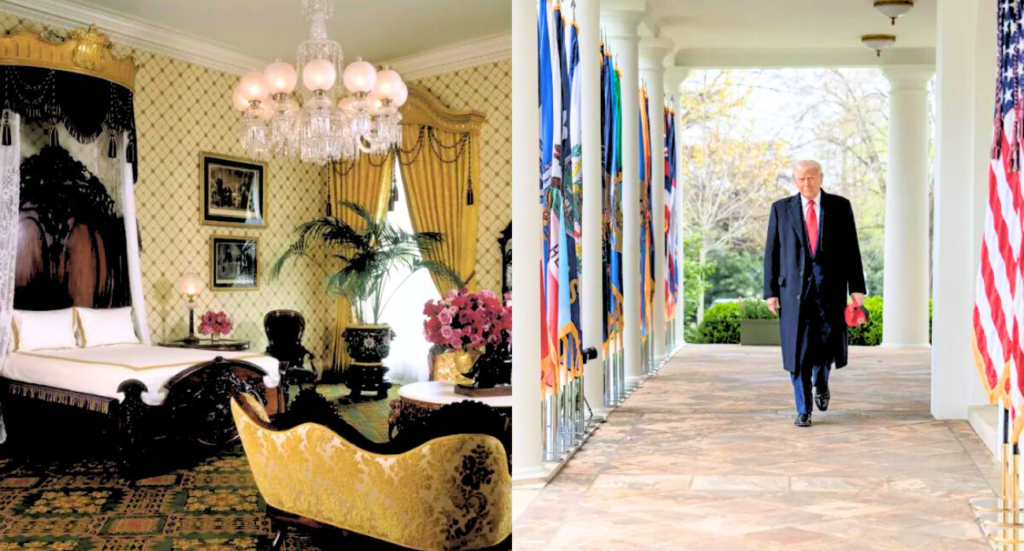
One of the most surprising twists is the reported attention from the Trump White House.
Mergers of this scale require federal regulatory approval—and political relationships matter.
Paramount has deep ties with the Trump administration. Analysts even call it:
“The Trump card.”
Paramount has argued:
- Their bid is more likely to pass regulatory review
- Netflix’s bid would raise stronger antitrust alarms
- The optics of Netflix acquiring a competitor could trigger political pushback
Senator Mike Lee has already voiced concern:
“Netflix buying WBD raises serious competition questions—perhaps more than any deal in a decade.”
This political tug-of-war adds a layer of unpredictability.
Global Regulatory Challenges: The World Will Have a Say
Apart from the U.S. Department of Justice, other regulators will weigh in:
- United Kingdom (Ofcom)
- European Union (Competition Commission)
- Latin American markets
International regulators may perceive this deal as:
- A monopoly threat
- A reduction in studio diversity
- A danger to local content ecosystems
Further complicating approvals if politics appear to influence U.S. regulators.
What Happens to HBO Max?
Under the deal:
- HBO Max becomes part of Netflix
- HBO originals would stream inside Netflix
- HBO’s brand identity may persist or be restructured
Netflix absorbing HBO’s prestige content library would create the world’s most powerful streaming catalog.
How the Deal Could Impact Netflix Stock
Investors often respond sharply to aggressive acquisitions.
Positive impacts could include:
- Stronger content pipeline
- Ownership of DC, Harry Potter, HBO
- Expansion into theatrical releases
- Higher global dominance
Risks include:
- Multi-billion-dollar debt absorption
- Integration challenges
- Antitrust hurdles
- Potential subscriber confusion
Still, analysts say:
If Netflix buys Warner Bros., the streaming wars are effectively over.
Impact on WBD Stock and Shareholders
WBD shares skyrocketed from their lows due to:
- Talk of a corporate split
- Multiple bidders showing interest
- Netflix’s premium offer
Shareholders may see value unlocked in ways the standalone company couldn’t achieve.
What This Means for Hollywood: The End of the Studio Era?
If the deal closes, Hollywood faces:
1. A historic consolidation
One tech giant would hold:
- Warner Bros studio
- HBO
- DC
- Major streaming infrastructure
2. Fewer competitors
Studios like:
- Universal
- Paramount
- Sony
- Disney
would face unprecedented pressure.
3. Survival mergers
Smaller studios may be forced to combine to stay relevant.
4. Shift in creative control
Algorithms may outweigh studio executives in content decisions.
5. Talent negotiations change forever
Netflix becomes the No.1 destination for:
- Directors
- Actors
- Writers
- International creators
This is not just a business transaction—
It is the rewriting of Hollywood’s power structure.
Final Verdict: A Deal That Could Change Entertainment for Decades
The Netflix–WBD acquisition is more than a headline. It is:
- A restructuring of global entertainment
- A test of antitrust laws
- A challenge for political regulators
- A shift in consumer culture
- A milestone in tech’s takeover of Hollywood
Whether you see it as progress or consolidation, one thing is certain:
If Netflix acquires Warner Bros Discovery, the entertainment world will never be the same.