
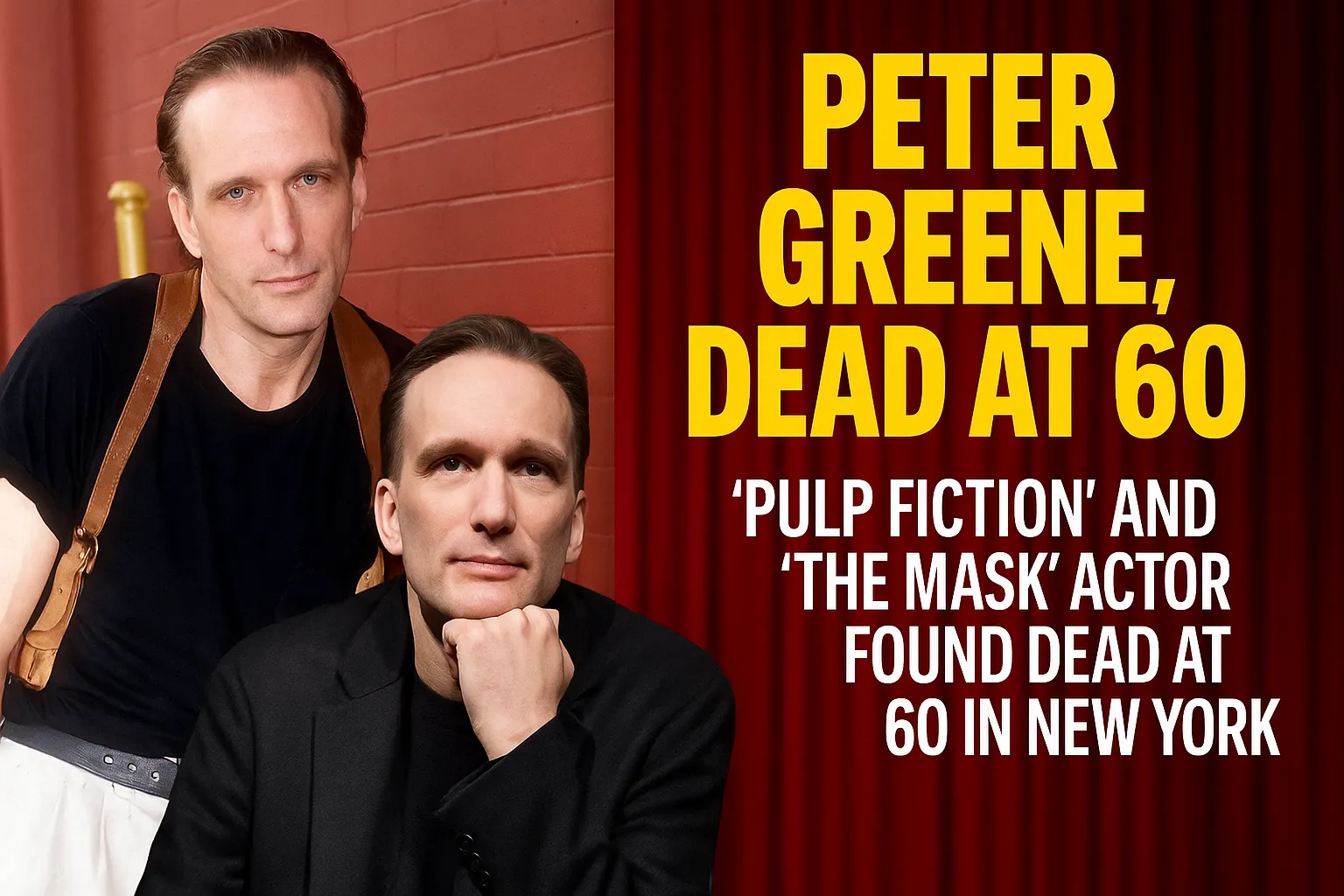
Peter Greene, Actor Known for Intense Villain Roles, Dies at 60
Peter Greene, the American character actor widely recognized for portraying dark and unsettling characters in films such as Pulp Fiction (1994), The Mask (1994), and Training Day (2001), was found dead inside his New York City apartment on Friday. He was 60 years old.
Greene was discovered unresponsive in his Lower East Side residence on Clinton Street during the afternoon hours. Emergency responders pronounced him dead at the scene. According to law enforcement officials, no foul play is suspected at this time, and the New York City Medical Examiner’s Office will determine the official cause of death.
The news was confirmed by Greene’s longtime manager, Gregg Edwards, who described the actor as both a formidable on-screen presence and a deeply kind individual in private life.
Authorities Confirm No Suspicion of Foul Play
Police responding to a wellness check arrived at Greene’s apartment shortly after 3:00 p.m. on Friday. Investigators stated that there were no immediate signs of criminal activity. As is standard in such cases, the Medical Examiner will conduct further examination to establish the cause and manner of death.
Officials have not released additional details pending those results.
A Career Defined by Memorable, Often Disturbing Roles
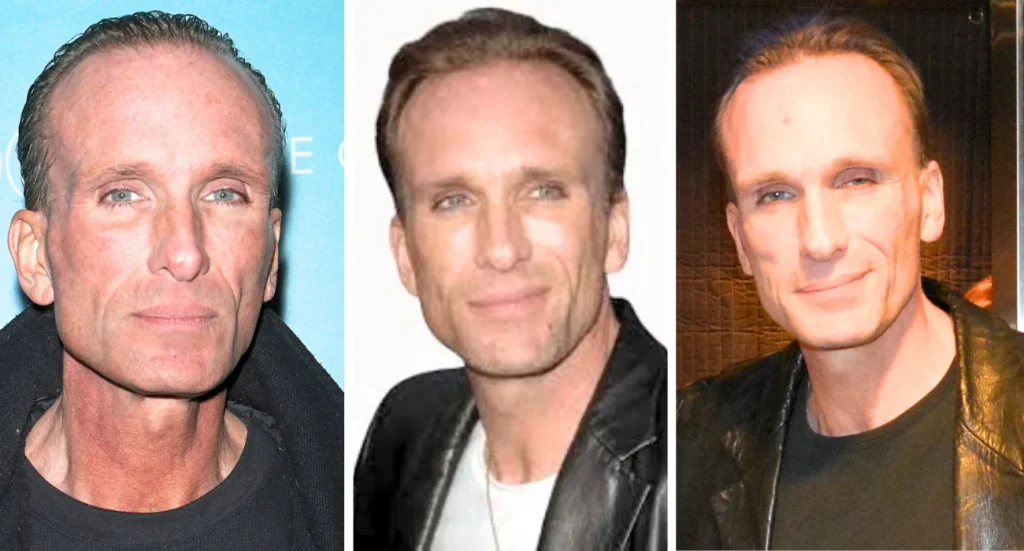
Peter Greene built a career playing some of the most unsettling figures in modern American cinema. His performances often left a lasting impression despite limited screen time, earning him a reputation as one of Hollywood’s most effective character actors of the 1990s and early 2000s.
His most widely recognized role was that of Zed, the sadistic security guard in Quentin Tarantino’s Pulp Fiction. Though the role appeared in a brief segment of the film, it became one of the movie’s most infamous sequences and remains frequently cited in discussions of Tarantino’s work.
In the same year, Greene portrayed Dorian Tyrell, the primary antagonist in The Mask, opposite Jim Carrey and Cameron Diaz. His performance as the ruthless gangster helped anchor the film’s darker undertones amid its slapstick comedy and visual spectacle.
Notable Performances Across Acclaimed Films
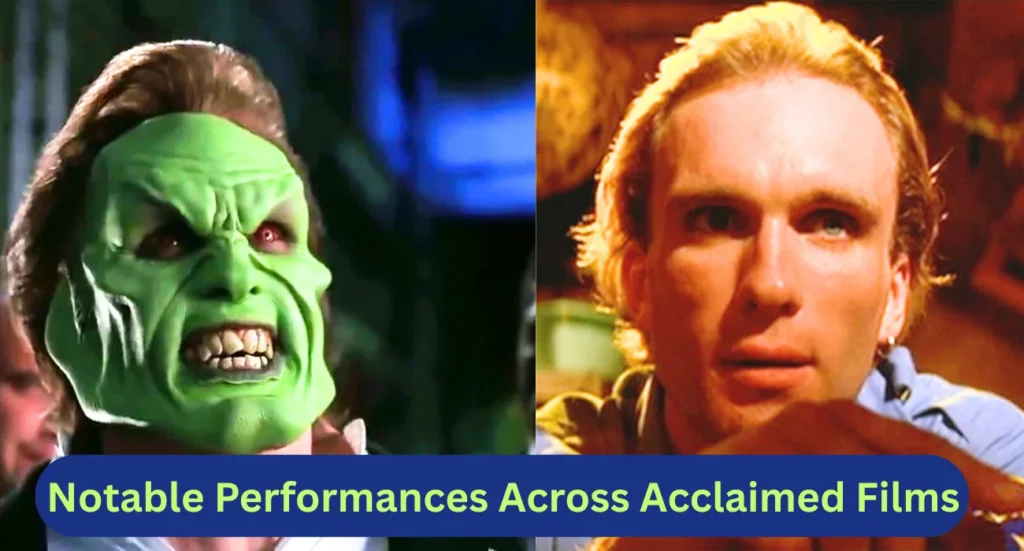
Beyond his most famous roles, Greene’s filmography included nearly 100 acting credits across film and television. Some of his most notable appearances include:
- Clean, Shaven (1993) – A critically acclaimed independent film in which Greene played a man with schizophrenia suspected of murder. His performance was widely praised for its intensity and emotional depth.
- The Usual Suspects (1995) – Greene played Redfoot, a small but memorable role in the Oscar-winning crime thriller.
- Training Day (2001) – He appeared as Jeff, a detective caught in a morally compromised situation alongside Denzel Washington’s corrupt police officer.
- Blue Streak (1999) – A supporting role in the crime comedy starring Martin Lawrence.
- Laws of Gravity (1992) – One of his early films, which helped establish him in independent cinema circles.
Greene was particularly respected among directors for his willingness to fully inhabit difficult characters, often portraying criminals, troubled individuals, and morally complex figures.
A Reputation as a Perfectionist
According to his manager, Greene was known within the industry as a perfectionist. While this reputation sometimes made him challenging to work with, colleagues frequently noted that his intensity stemmed from a deep commitment to authenticity.
“He wanted every performance to feel true,” Edwards said. “He gave everything to the work.”
Despite often being cast as villains, those close to Greene emphasized the contrast between his on-screen personas and his real-life demeanor.
Early Life and Personal Struggles
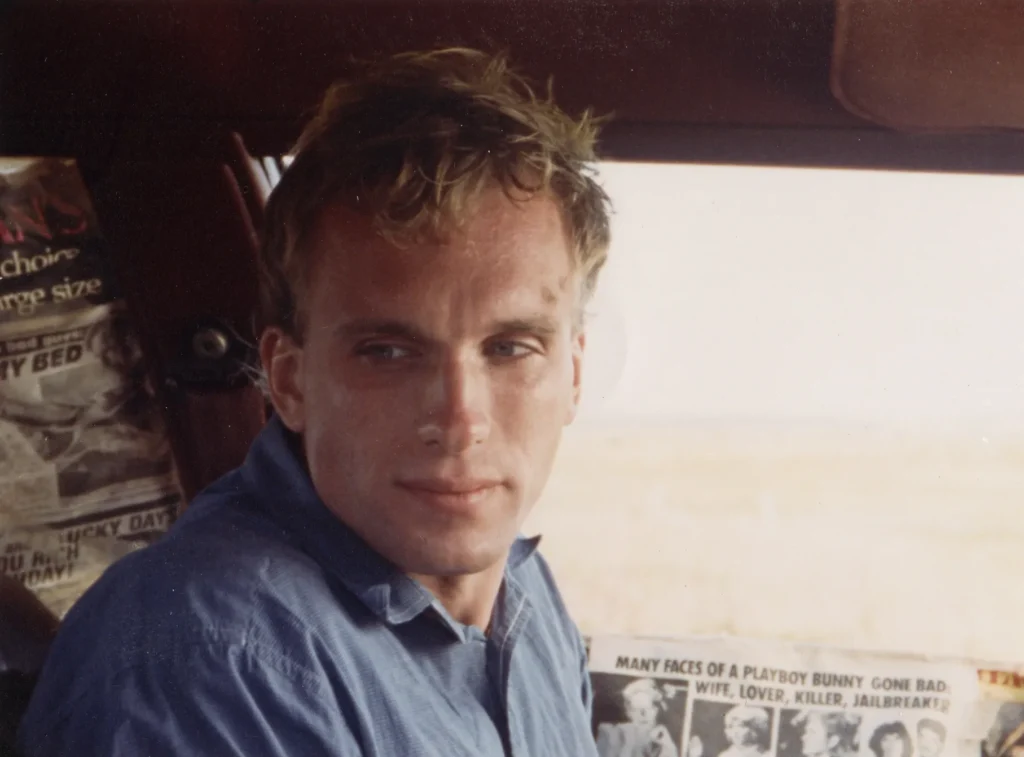
Born on October 8, 1965, in Montclair, New Jersey, Peter Greene experienced a difficult adolescence. He ran away from home at age 15 and spent time living on the streets of New York City.
In later interviews, Greene spoke openly about his struggles with substance abuse during his youth and early adulthood. He acknowledged that these experiences shaped both his life and his acting, contributing to the raw realism he brought to many of his roles.
In the mid-1990s, Greene sought treatment for addiction after a highly publicized personal crisis. Following rehabilitation, he returned to acting and continued working steadily for many years.
Respected in Independent Cinema
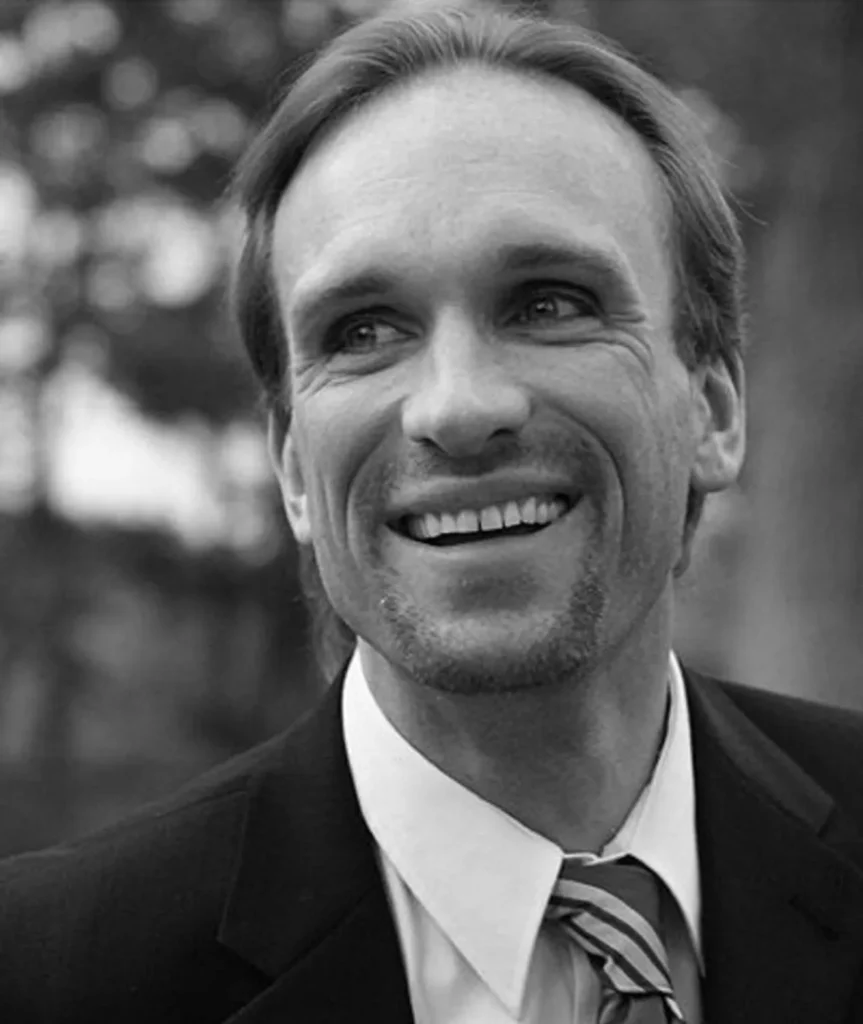
While Greene appeared in major studio productions, he remained particularly respected within the independent film community. Directors and critics often highlighted his performance in Clean, Shaven as one of the most fearless portrayals of mental illness in American cinema.
The role demonstrated his ability to carry a film emotionally and psychologically, even when portraying deeply uncomfortable subject matter.
Film critics have frequently noted that Greene’s best work came in projects that allowed him to explore flawed, marginalized, or dangerous characters with nuance rather than caricature.
Continued Work Until His Death
Despite a lower public profile in recent years, Greene remained active in the entertainment industry. According to his manager, he was preparing to begin filming an independent thriller in early 2026 alongside actor Mickey Rourke.
News of his death prompted emotional reactions from collaborators involved in the upcoming project, many of whom had already begun pre-production preparations.
Industry and Fan Reactions
Following the announcement of Greene’s death, tributes began appearing across social media and film forums. Fellow actors, filmmakers, and fans remembered him as a performer who consistently elevated projects with his presence.
Many noted that while he was rarely a leading man, his performances were unforgettable, often stealing scenes through intensity and authenticity.
Film historians and critics also reflected on Greene’s contribution to 1990s American cinema, a period defined by gritty crime films and character-driven storytelling.
A Legacy of Unforgettable Characters
Peter Greene’s career serves as a reminder of the importance of character actors in shaping cinematic history. Though he never achieved traditional movie-star status, his roles became cultural touchstones, particularly among fans of crime and independent films.
His portrayal of villains challenged audiences, often forcing viewers to confront discomfort rather than offering easy entertainment. That approach earned him a lasting reputation as an actor willing to take risks.
Cause of Death Pending
As of publication, the official cause of death has not been released. Authorities have reiterated that there is no indication of foul play. The Medical Examiner’s findings are expected in the coming days.
Conclusion
Peter Greene leaves behind a body of work that continues to resonate with audiences decades after its release. His performances in Pulp Fiction, The Mask, and numerous other films cemented his place as one of the most distinctive character actors of his generation.
While his personal life included well-documented struggles, colleagues and admirers consistently describe him as a deeply committed artist who brought honesty and intensity to every role.
As investigations conclude and tributes continue, Greene’s legacy remains firmly embedded in the fabric of modern American cinema.