


Taylor Swift Docuseries 2025: What the Disney+ Releases Reveal About the Eras Tour
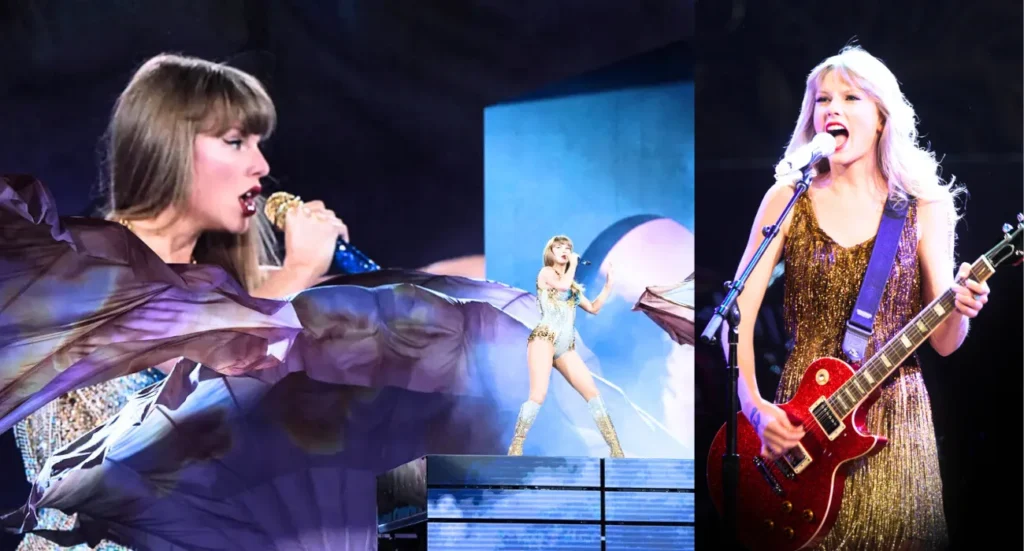
On December 12, 2025, Disney+ premiered two major Taylor Swift projects tied to the blockbuster Eras Tour: a six-episode docuseries titled Taylor Swift | The Eras Tour | The End of an Era and a concert film, |The Eras Tour | The Final Show, filmed on the tour’s closing night in Vancouver. Both releases follow a string of unprecedented commercial and cultural achievements: the Eras Tour’s 149 shows across five continents and box office returns that have already been measured in the billions. The new projects offer audiences different but complementary perspectives: a behind-the-scenes look at the logistics, labor and emotions that powered the tour, and a performance film capturing the energy of the final show.
This report compiles the key takeaways from the first episodes, contextual reporting, and public statements around the releases. It aims to be a neutral, comprehensive guide for readers who want a single, reliable piece to understand what the docuseries and concert film reveal about Swift’s production, personal stakes, and the cultural moment the Eras Tour represents.
Release format and viewing details
Disney+ released the first two episodes of The End of an Era and the full concert film The Final Show simultaneously at 3 a.m. ET / midnight PT on Dec. 12, 2025. Subsequent episodes roll out in pairs each Friday through Dec. 26. The streaming service also arranged preview windows on ABC — a one-hour special that aired the first episode and a promotional hour from the concert film the same night — widening immediate access outside subscribers.
The dual release strategy contrasts with Swift’s earlier Eras Tour film (2023), which premiered theatrically and arrived on streaming months later. This time, Disney+ opted for a same-day streaming debut, signaling a more direct-to-audience approach and reflecting streaming platforms’ growing confidence in marquee content to drive subscriptions.
Two complementary projects with different aims
Both projects document the same cultural phenomenon but with distinct editorial emphases:
- The End of an Era (docuseries) — An intimate, multi-episode documentary centered on production, choreography, crew relationships, emotional labor and the logistics of staging three-and-a-half-hour shows night after night. The series foregrounds the backstage people — dancers, choreographers, technical staff and band members — and explores how the tour was assembled and sustained.
- The Final Show (concert film) — A performance film capturing the Vancouver finale, including songs from The Tortured Poets Department (material added to the setlist later in the touring cycle) and a cinematic presentation of the live concert experience. It’s intended as a record of the spectacle itself.
Both are framed as a “closing of the book” on the Eras Tour, offering fans and observers a look at how the live phenomenon came to be and what it meant to those involved.
Scale: the Eras Tour as logistical and financial feat


The docuseries repeatedly underscores scale. Over 149 shows across five continents, the tour moved massive sets, elaborate costumes, and a core company of performers and crew — “a lifetime within my life,” Swift says in the series. The production required meticulous choreography, stage engineering, sound and lighting technicians, wardrobe teams, and a touring family structure to sustain tens of thousands in audience attendance each night.
Financially, the Eras Tour sits among the most lucrative live music productions ever staged; public reporting has previously placed box-office returns in the neighborhood of $2 billion worldwide. The docuseries shows how that scale translated into labor decisions, expensive bonuses for crew, and carefully choreographed surprises. One notable anecdote shows Swift personally sealing handwritten bonus notes with wax — a symbolic gesture that also demonstrates the economic stakes and personal involvement at leadership level.
Human cost and emotional labor
A consistent thread across episodes one and two is the emotional toll on performers and the star herself. The series captures moments of exhaustion, anxiety and grief — from Swift’s private meetings with victims of the Southport stabbing, to her fear after a thwarted bomb plot in Vienna, to the sheer physical strain of performing 3.5 hours per night.
Several scenes place a spotlight on the expectation that public figures perform emotional steadiness. Swift articulates this pressure through a metaphor: likening herself to a pilot who must reassure passengers despite turbulence. That framing helps explain why the series is as much about emotional labor as it is about logistics: the performer’s job is to create “escape” and joy for the audience, often at personal cost.
Art, craft and rehearsal process
The docuseries devotes considerable time to rehearsal — the long hours when choreography, costume, set transitions and musical arrangements are developed. The opening episode makes a point of showing how “magic” onstage requires methodical, repetitive work offstage: sections of the show are drilled with no sound, in secret rooms, or with decoy lighting. This includes a detailed look at choreography (crediting directors and choreographers), set design meetings and technical run-throughs for large set pieces.
The result is an argument that the tour’s seeming spontaneity is the product of careful design, discipline and creativity. For fans and industry professionals alike, those sequences demystify the creation process and highlight the craft behind large-scale live production.
Team dynamics and community
A major strength of the series is its emphasis on community. The production frames the tour as a collaborative project where dancers, backup vocalists, musicians and technical crew form an extended workplace family. There are several backstage scenes where team members trade friendship bracelets, celebrate personal milestones, and express gratitude. The documentary gives specific airtime to dancers who describe life-changing opportunities — including Kameron Saunders, who discusses challenges around body diversity in dance casting.
These vignettes humanize the production beyond the headline numbers and demonstrate how large tours can build sustained workplace cultures that matter to individual careers.
Secrets, surprises and organizational secrecy
Swift is known for surprise releases and careful secrecy around new music. The docuseries reveals some of the “spy-level” measures used to keep setlist additions and rehearsals quiet — rehearsing without music, training in remote hotel ballrooms, and other methods to avoid leaks. The series hints at the managerial complexity of integrating new songs from The Tortured Poets Department into an already massive show without tipping off fans.
Those details make the docuseries partly a study in information control and fan expectation management in the streaming era.
Public moments and private grief

One of the most affecting chapters covers Swift’s response to external tragedies tied to the tour — notably the Southport stabbing in 2024, which targeted a Taylor Swift–themed workshop and claimed young lives. The series shows Swift meeting families privately and breaking down in tears backstage. It also revisits the period when the Vienna concerts were canceled after an identified terror threat. These sequences show the tension between celebrating mass joy and acknowledging the risks and traumas that can shadow large public events.
The footage underscores a recurring theme of the series: that mass entertainment does not exist in a vacuum and that the responsibilities for safety, empathy and leadership are real and consequential.
Audience experience and cultural scale
The show explores the audience dimension extensively: more than 10 million global tickets sold, hundreds of thousands of fans traveling city to city, and the cultural rituals—friendship bracelets, costume codes, and setlist expectations—that have accompanied the tour. The documentary frames these collective rituals as a form of mass catharsis, an experience some reviewers call “Woodstock without the drugs.” The filmmaking choices make the crowd feel as much a character as the performers.
Celebrity intimacy: Travis Kelce and friendship scenes
Small slices of personal life appear in the series. Brief, domestic moments like Swift’s phone call with fiancé Travis Kelce are interwoven with technically focused footage — a move that positions the star as both a global figure and a private person. The call with Kelce after a Wembley show, for example, emphasizes the human need for grounding relationships amid intense public pressures.
Labor recognition and bonuses
The docuseries reveals that Swift distributed massive end-of-tour bonuses to her touring staff. Scenes showing her preparing and delivering wax-sealed notes preceded press reports of multi-million dollar bonus pools. These segments have been read as a conscious attempt to spotlight the crew — though they also raise questions about the evolving economics of live production, contractor pay, and gratitude gestures in the entertainment industry.
Creative choices: staging, set design, and musical integration
The series gives viewers a close look at the design choices that define the Eras Tour’s theatricality: multiple set environments tailored to each “era,” costume switches, integrated lighting moments and multimedia displays. It also shows the challenge of integrating new album material into a long-running setlist without alienating fans attached to older hits. Technical teams describe coordinating complex transitions and the choreography behind camera placements, pyrotechnics and safety.
Critical perspectives: what the series leaves out
While the docuseries is comprehensive, it is curated. Viewers should note what is less emphasized: deeper labor negotiations (unionization dynamics, if any), the full financial accounting of the tour, and more probing investigative reporting into security decisions or scheduling pressures. The series’s tone is affectionate and celebratory overall; it is not investigative journalism. Those seeking a hard-edged labor or industry critique may find elements underexplored.
Early critical and public reception
Initial screenings — including a New York premiere attended by crew and collaborators — produced an emotional reaction from audiences, who laughed, cheered and cried in different moments. Critics have praised the series for humanizing touring life and delivering backstage storytelling that respects the work of production teams. Some reviewers point out that the docuseries may be as much a curated legacy project as it is a documentary; its access and craft are impressive, but the tone is largely sympathetic and celebratory.
Cultural implications and the tour’s legacy
The Eras Tour and its filmed documents function as a cultural artifact that captures a unique moment in live entertainment: a commercially dominant, highly curated, globally networked tour that blended fandom, spectacle and theatrical craft. The documentary and concert film will likely become reference points for future live events, illustrating how pop artists can translate recorded catalogs into comprehensive live narratives.
Whether the projects change broader debates — about ticketing fairness, dynamic pricing, or live concert labor practices — remains to be seen. But the releases sharpen an important point: modern stadium tours are logistical and cultural megaprojects that necessitate paperwork, secrecy, community management and creative risk.
Final assessment: who should watch and why
- Swift fans (“Swifties”) will find these releases essential viewing: intimate portraits of performers, secret setlist reveals, and the full-length concert film capturing the final show.
- Music industry professionals and students will benefit from the docuseries’ detailed production breakdowns: choreography, set design, and tour logistics.
- General viewers interested in the human cost of large productions will find moving stories about emotional labor, team dynamics, and the pressures of celebrity.
- Critics and labor advocates might look for deeper investigative follow-ups but will find ample material for discussion in how a single tour reshapes careers and markets.
Practical viewing info and accessibility
- Both The End of an Era docuseries and The Final Show concert film are streaming exclusively on Disney+ as of Dec. 12, 2025. The standard ad-supported Disney+ tier and ad-free tiers are options; pricing varies by region.
- ABC aired preview content the same night, providing non-subscribers with a window into the series.
- Expect subtitles and standard accessibility features; Disney+ typically provides multiple subtitle tracks and audio descriptions for high-profile releases.
Conclusion
Taylor Swift’s The End of an Era docuseries and The Final Show concert film offer a layered portrait of the Eras Tour: part operational manual, part love letter to the people who built a modern stadium spectacle, part meditation on the emotional costs of global fame. As cultural artifacts, they document a unique moment where live music meets global media distribution; as human stories, they show the real labor and tenderness behind headline figures.
For fans and industry observers alike, the releases will likely serve as both entertainment and source material: an elegant monument to a singular tour and a prompt for further conversation about the logistics, ethics and economics of twenty-first century pop stardom.