

Epstein Emails Explained: What Newly Released Records Say — and Don’t Say — About Donald Trump
What the Emails Actually Say About Donald Trump
On November 11 the U.S. House Oversight Committee—chaired by Democrats—published a new batch of Jeffrey Epstein correspondence recovered from his estate.
Among hundreds of messages, several refer to Donald Trump, a onetime social acquaintance of Epstein.
Because the two men moved in similar Palm Beach and Manhattan circles in the 1990s and 2000s, each new release draws intense public curiosity.
What Was Released
- Roughly 160 pages of emails* spanning 2010-2019, obtained through court orders tied to Epstein’s financial estate.
- Portions of the emails are redacted* to remove victims’ names, email addresses, and ongoing-case references.
- The documents were posted on the Oversight Committee’s website as part of a larger project informally called the “Epstein Files.”
The committee said its goal is “transparency regarding how wealthy individuals used influence and access to evade accountability.”
What the Trump References Actually Say
- 2011 Email: Epstein writes to an associate about “the dog that hasn’t barked — Trump — [she] spent hours at my house with him.”
→ Analysts note the context is unclear; it does not include an accusation of a crime. - 2019 Email to author Michael Wolff: Epstein says Trump “knew about the girls as he asked Ghislaine to stop.”
→ The statement is unverified and reflects Epstein’s own words, not corroborated evidence. - Several Routine Scheduling Notes show Epstein forwarding news articles about Trump during the 2016 campaign — suggesting interest, not contact.
Responses from Both Sides
Trump Campaign and Legal Team
A spokesperson called the release “a politically motivated document dump that twists random emails into smears.”
They reiterated Trump had “not spoken to Epstein in many years and cut ties well before his arrest.”
House Oversight Democrats
Chair Rep. Jamie Raskin said the committee “is not drawing criminal conclusions about anyone named, including Mr. Trump. We are disclosing records of public interest about how Epstein operated.”
What Is Not in the Emails
- No direct evidence that Trump participated in or facilitated Epstein’s criminal conduct.
- No charges against Trump stemming from these emails.
- No verified communication from Trump to Epstein after 2007 appears in the set.
These points are crucial for accuracy and fairness; the correspondence is one-sided and incomplete.
Background on Epstein
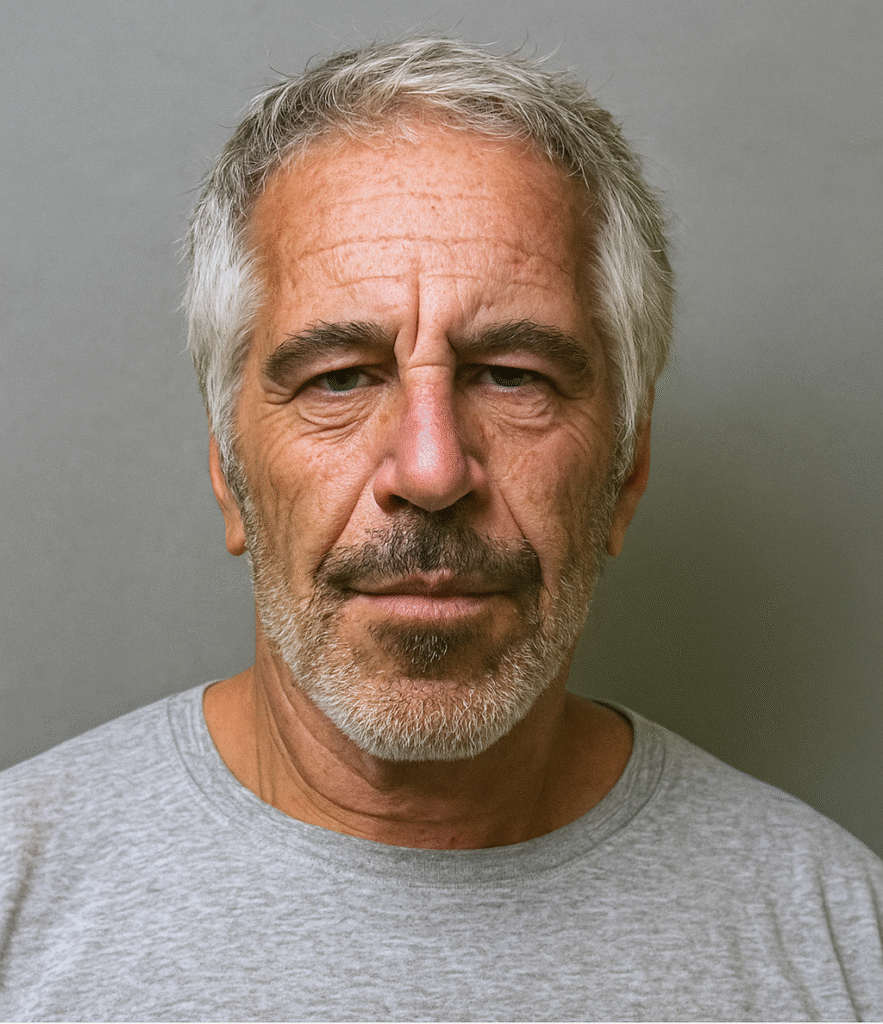
Jeffrey Epstein was a financier convicted in 2008 for sex offenses in Florida and facing new federal charges when he died in 2019 in a New York jail. His death was ruled a suicide by the medical examiner.
Since then, hundreds of records from his estate and associates have been fought over in court, creating what the press calls the Epstein Files.
Ongoing Investigations
- House Oversight Committee: Reviewing correspondence and financial ledgers for potential failures of federal oversight.
- Justice Department: Monitoring the release to protect victim privacy.
- State of New York: Continues civil cases against Epstein’s estate and associates.
No active criminal case targets Trump based on these emails.
Media and Public Reaction
Mainstream outlets have covered the emails cautiously:
- Reuters emphasized the lack of corroboration.
- The New York Times highlighted the political timing before the 2026 midterms.
- Fox News questioned the committee’s decision to publicize unverified remarks.
- BBC and CNN focused on transparency versus privacy debates.
Public interest remains high, but fact-checkers urge readers to distinguish between verified evidence and speculation shared online.

Who Is Michael Wolff and Why He’s Mentioned
Michael Wolff is a journalist and author known for books on U.S. politics. He received emails from Epstein in 2019 while researching for a book about power networks in New York and Washington.
Wolff has stated publicly that he did not seek Epstein as a source and forwarded the messages to law enforcement after Epstein’s arrest.
Timeline for Readers
| Year | Event |
|---|---|
| 2002-2007 | Epstein and Trump attend social events in Florida and New York society circles. |
| 2008 | Epstein pleads guilty to state sex offenses; Trump cuts ties. |
| 2019 | Epstein arrested on federal charges; dies in custody. |
| 2020-2024 | Civil suits unseal hundreds of documents from Epstein’s estate. |
| Nov 2025 | House Oversight Committee releases emails that mention Trump and others. |
Reader Guide: How to Interpret the Emails
- They show Epstein’s own claims or opinions—not verified facts.
- Context is fragmentary; many threads lack responses.
- References to celebrities or politicians do not imply wrongdoing.
- Future releases may add or clarify information.
Privacy and Ethical Limits
The committee redacted all victim identities. Media outlets and Interact Room do not publish private information about alleged abuse survivors or unverified sexual details. Our coverage focuses on public documents and official statements only.
What Happens Next
- Additional Epstein records are expected to be released in phases through 2026.
- The House may subpoena more financial data from banks and estate managers.
- Legal experts anticipate follow-up hearings about how elite criminal cases were handled in the 2000s.
Conclusion
The newly released Epstein emails add to the public record but do not confirm criminal conduct by any person mentioned. They offer a rare glimpse into Epstein’s contacts and self-described influence in elite circles — yet also show how fragments can fuel rumor without proof.
As investigators continue their work, one lesson is clear: transparency must be balanced with evidence. The emails answer some questions but raise more — and the search for verified truth about Jeffrey Epstein’s network is far from over.