


Heart Attack Symptoms in Women You Should Never Ignore: A Life-Saving Guide
Every year, heart disease claims more women’s lives than all forms of cancer combined. Yet many women still don’t recognize the warning signs when they’re having a heart attack. Why? Because the symptoms often look completely different from what we see in movies or hear about happening to men.
If you’ve ever felt an unusual tightness in your chest, unexplained exhaustion that won’t go away, or a nagging pain in your jaw that seems to come out of nowhere, this article could save your life. Let’s explore the critical warning signs every woman needs to know.
Why Heart Attack Symptoms Differ in Women
Women’s hearts are not just smaller versions of men’s hearts. The biological differences run much deeper, affecting how heart disease develops and presents itself.
The Gender Gap in Cardiac Care
For decades, heart attack research focused primarily on men. This created a dangerous knowledge gap that still affects women’s healthcare today. Women are more likely to experience “atypical” symptoms, which aren’t atypical at all—they’re just different from male patterns.
Key differences include:
- Women often have blockages in smaller arteries (microvascular disease)
- Symptoms can appear weeks before the actual heart attack
- Pain may be more diffuse and harder to pinpoint
- Warning signs are frequently dismissed as stress or anxiety
The 7 Critical Heart Attack Symptoms Women Must Recognize
1. Chest Discomfort: Not Always the “Hollywood Heart Attack”

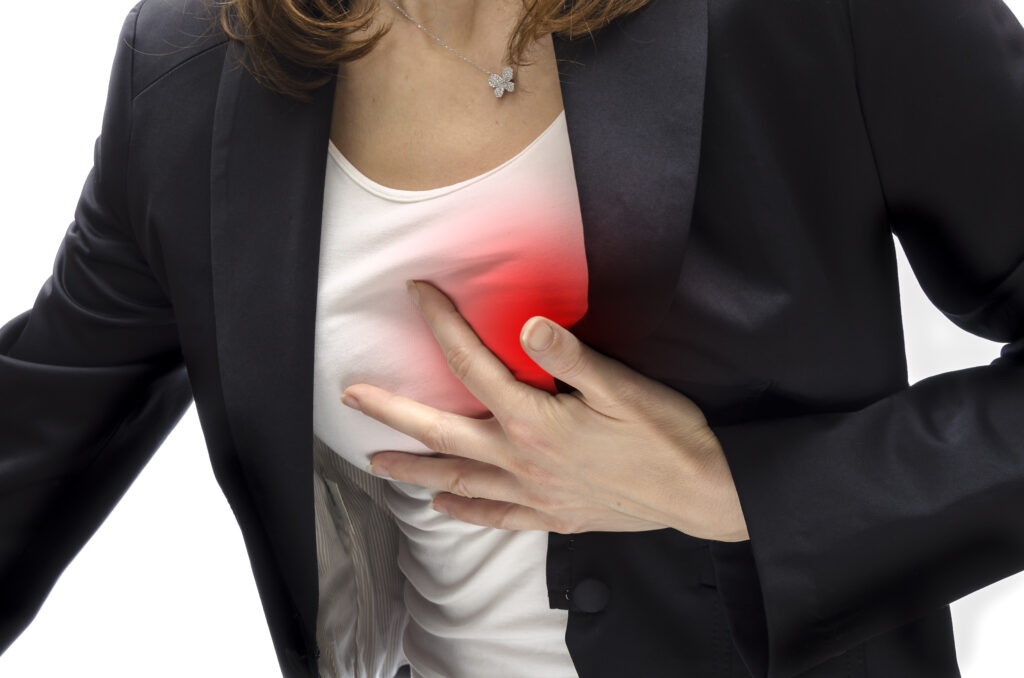
Forget what you’ve seen on TV. When women experience chest discomfort during a heart attack, it rarely feels like an elephant sitting on their chest.
What it actually feels like:
- Uncomfortable pressure or squeezing
- A feeling of fullness in the center of the chest
- Tightness that comes and goes
- Mild to moderate discomfort that’s easy to dismiss
Many women describe it as feeling like they’ve pulled a muscle or are wearing a bra that’s too tight. The pain might last more than a few minutes, or it may go away and come back. Some women experience no chest pain at all—which is why the other symptoms are so important to recognize.
Real-life example: Sarah, 52, felt what she described as “indigestion with pressure” while grocery shopping. She finished her shopping before driving herself to the ER, where doctors confirmed she was having a heart attack. “I kept thinking it would pass,” she recalls. “I’m so glad I finally listened to my body.”
2. Shortness of Breath: When Breathing Becomes Difficult


This is one of the most common symptoms women experience, yet it’s frequently overlooked because it can occur without any chest discomfort.
Warning signs include:
- Feeling winded while doing normal activities
- Unable to catch your breath while at rest
- Breathing difficulty that wakes you from sleep
- Feeling like you’ve just run a marathon when you haven’t exercised
This symptom occurs because your heart isn’t pumping efficiently, causing blood to back up in the blood vessels leading to your lungs. The result is fluid accumulation that makes breathing difficult.
When to act: If you suddenly can’t perform activities that you normally handle with ease—like walking up a flight of stairs or carrying groceries—pay attention. If this breathlessness appears out of nowhere and doesn’t have an obvious cause like a cold or allergies, seek medical attention.
3. Unusual Fatigue: More Than Just Being Tired

This isn’t the regular tiredness you feel after a long day. Women often describe this fatigue as overwhelming and unusual—nothing like their normal tiredness.
Distinctive characteristics:
- Extreme exhaustion that appears suddenly
- Feeling too tired to perform simple daily tasks
- Profound weakness in your arms
- Fatigue that doesn’t improve with rest
Research shows that more than 70% of women who have heart attacks experience unusual fatigue in the days or weeks beforehand. This fatigue is caused by the heart working overtime to pump blood through narrowed arteries.
Listen to your body: If you suddenly need to sit down after making your bed, or if folding laundry feels exhausting when it never did before, don’t brush it off. This could be your heart sending out an SOS signal.
4. Pain in Jaw, Neck, Back, or Shoulder: The Radiating Warning Signs
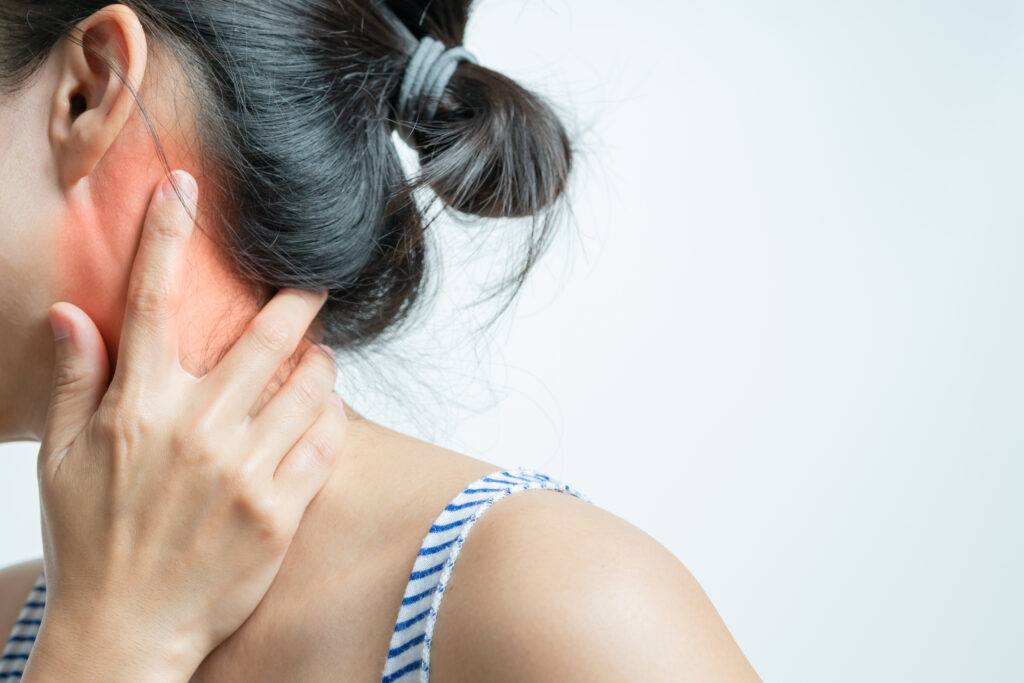
This symptom confuses many women because the pain seems completely unrelated to the heart. Some describe it as a “spreading” sensation that moves from the chest to other areas.
Common patterns:
- Aching or burning sensation in the jaw (especially the lower jaw)
- Pain between the shoulder blades
- Neck discomfort that feels like a stiff neck
- Shoulder pain that mimics a rotator cuff injury
The pain occurs because nerves in the heart and upper body share the same pain pathways to the brain. When your heart is in distress, the brain can misinterpret the location of the pain.
Don’t ignore it if: The pain is unexplained, appears suddenly, or is accompanied by other symptoms like sweating, nausea, or shortness of breath. Many women initially think they have a dental problem or muscle strain before discovering they’re experiencing cardiac symptoms.
5. Nausea or Stomach Pain: The Digestive Disguise

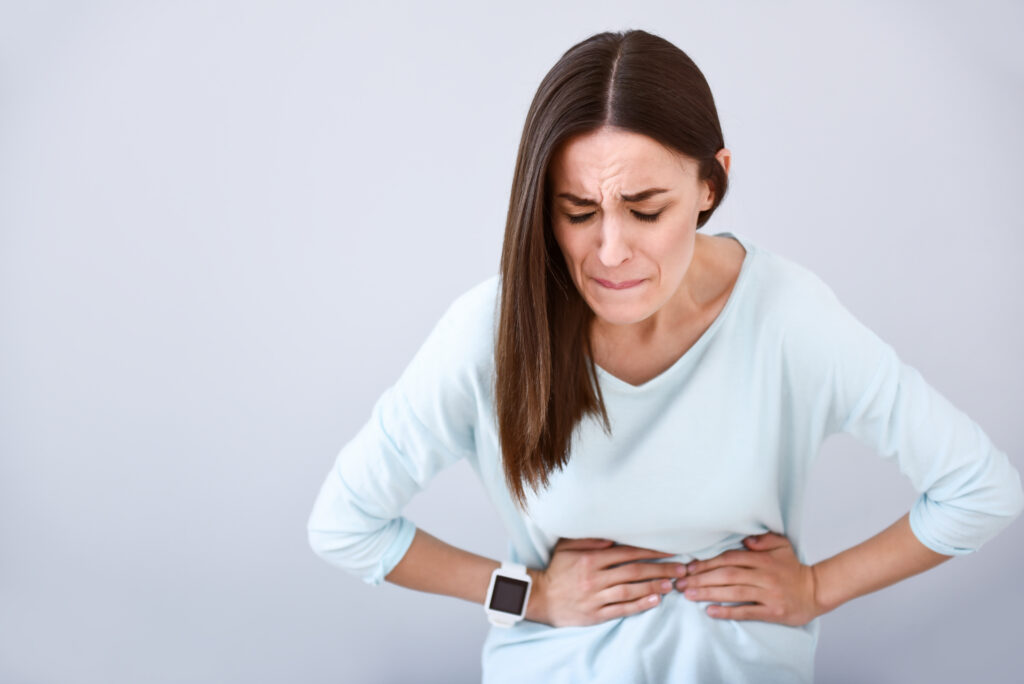
Heart attack symptoms in women frequently masquerade as digestive problems. This is one of the most commonly missed warning signs.
What you might experience:
- Feeling queasy or sick to your stomach
- Abdominal pain or pressure in the upper abdomen
- Sensation similar to severe indigestion
- Heartburn that doesn’t respond to antacids
The connection exists because the vagus nerve, which helps regulate heart rate, also affects the digestive system. When the heart is in trouble, signals can get crossed, causing gastrointestinal symptoms.
Red flags: If you have stomach pain that moves to your chest, or if you feel nauseous along with sweating or lightheadedness, this is not just indigestion. Don’t wait to see if it passes—especially if you’ve never had these symptoms before.
6. Dizziness or Lightheadedness: When the World Starts Spinning

Feeling dizzy, faint, or lightheaded is often accompanied by other symptoms during a heart attack. This happens when your heart can’t pump enough blood to your brain.
Warning signs include:
- Sudden dizziness that makes you need to sit or lie down
- Feeling like you might faint
- Room spinning sensation (vertigo)
- Loss of balance or coordination
Important distinction: While many things can cause dizziness, it becomes concerning when paired with chest discomfort, shortness of breath, or unusual sweating. If you feel dizzy and break out in a cold sweat, call emergency services immediately.
7. Cold Sweat: Your Body’s Distress Signal

Breaking out in a cold, clammy sweat without a clear reason is a significant red flag. This isn’t the normal sweat from exercise or a hot day.
Characteristics of cardiac-related sweating:
- Sudden onset without physical exertion
- Cold, clammy perspiration
- Sweating along with other symptoms
- Night sweats that soak through your clothing
This symptom occurs as your body goes into stress mode, releasing adrenaline as your heart struggles to function properly.
Risk Factors Every Woman Should Know
Understanding your personal risk helps you stay vigilant about symptoms. Some risk factors affect women differently than men.
Traditional Risk Factors:
- High blood pressure
- High cholesterol
- Diabetes
- Smoking
- Family history of heart disease
- Obesity
- Sedentary lifestyle
Women-Specific Risk Factors:
- Pregnancy complications: Gestational diabetes, preeclampsia, or high blood pressure during pregnancy increase lifetime risk
- Menopause: Declining estrogen levels affect heart health
- Polycystic ovary syndrome (PCOS): Increases heart disease risk
- Autoimmune diseases: Conditions like lupus or rheumatoid arthritis raise cardiac risk
- Breast cancer treatment: Certain chemotherapy drugs and radiation can damage the heart
- Mental health: Depression and chronic stress disproportionately affect women’s heart health
What to Do If You Experience These Symptoms
Time is critical during a heart attack. Every minute counts when it comes to preventing permanent heart damage.
Immediate Action Steps:
1. Call Emergency Services (911 in the US)
- Don’t drive yourself to the hospital
- Don’t wait to see if symptoms improve
- Don’t worry about being embarrassed if it’s a false alarm
2. Take Aspirin (if not allergic)
- Chew one regular-strength aspirin (325 mg) while waiting for help
- This can help prevent blood clots from getting larger
3. Stay Calm and Rest
- Sit or lie down in a comfortable position
- Loosen any tight clothing
- Focus on breathing slowly and steadily
4. Don’t Delay Because:
- “I’m too young” (heart attacks happen to women in their 30s and 40s)
- “I don’t want to bother anyone”
- “It’s probably nothing”
- “I have too much to do today”
Prevention: Taking Control of Your Heart Health
While you can’t control all risk factors, you can significantly reduce your heart attack risk through lifestyle choices.
Daily Habits That Protect Your Heart:
Nutrition:
- Eat plenty of fruits, vegetables, and whole grains
- Choose lean proteins and healthy fats
- Limit processed foods, salt, and added sugars
- Stay hydrated with water
Physical Activity:
- Aim for 150 minutes of moderate exercise weekly
- Include both cardio and strength training
- Find activities you enjoy and will stick with
- Even short walks make a difference
Stress Management:
- Practice relaxation techniques like meditation or yoga
- Prioritize sleep (7-9 hours nightly)
- Maintain social connections
- Seek help for chronic stress, anxiety, or depression
Regular Health Screenings:
- Check blood pressure regularly
- Monitor cholesterol levels
- Screen for diabetes
- Discuss your personal risk with your doctor
Questions to Ask Your Doctor
Being proactive about your heart health means having informed conversations with your healthcare provider.
Important questions include:
- What is my personal risk for heart disease?
- Should I have any specific cardiac tests based on my risk factors?
- Are my cholesterol and blood pressure at healthy levels?
- How do my other health conditions affect my heart?
- What symptoms should I watch for given my risk profile?
- Are my medications affecting my heart health?
Breaking the Silence: Why Women’s Symptoms Are Often Missed
The healthcare gender gap contributes to delayed diagnosis and treatment for women experiencing heart attacks.
Common barriers women face:
- Symptoms dismissed as anxiety or panic attacks
- Healthcare providers less likely to order cardiac tests for women
- Women’s tendency to downplay symptoms
- Lack of awareness about gender differences in heart disease
Advocating for yourself matters. If you feel something is wrong, persist in getting answers. Request specific cardiac tests if needed. Your intuition about your body is valuable.
The Bottom Line: Trust Your Instincts
Your body sends warning signals for a reason. Women often report that they “knew something was wrong” before their heart attack, even when symptoms seemed vague or unusual.
Remember these key points:
- Heart attack symptoms in women are often subtle and easily dismissed
- You don’t need to have chest pain to be having a heart attack
- Multiple mild symptoms together are more significant than one symptom alone
- When in doubt, get checked out—it’s always better to be safe
- Quick action saves lives and prevents permanent heart damage
Heart disease is preventable and treatable, but only if we recognize the warning signs and act on them. Share this information with the women in your life—it could save someone you love.
Frequently Asked Questions
Q: Can young women have heart attacks? A: Yes. While risk increases with age, women in their 20s, 30s, and 40s can have heart attacks, especially with risk factors like smoking, diabetes, or family history.
Q: How long do heart attack symptoms last? A: Symptoms can last from a few minutes to several hours or even days. They may come and go, which is why any concerning symptoms should be evaluated.
Q: Are women’s heart attacks more dangerous than men’s? A: Women are more likely to die from their first heart attack than men, partly because symptoms are often missed or dismissed, leading to treatment delays.
Q: Can stress alone cause a heart attack? A: While stress itself doesn’t directly cause heart attacks, chronic stress contributes to heart disease risk and can trigger cardiac events in people with underlying heart disease.
Q: What’s the difference between a heart attack and cardiac arrest? A: A heart attack occurs when blood flow to the heart is blocked. Cardiac arrest happens when the heart suddenly stops beating. A heart attack can lead to cardiac arrest.
Medical Disclaimer: This article is for informational purposes only and does not constitute medical advice. Always consult with healthcare professionals about your individual health needs. If you experience symptoms of a heart attack, call emergency services immediately.