


ATP Finals 2025 Turin Tragedy: Two Spectators Die as Safety Concerns Shake Global Sports Events
What was supposed to be a celebration of world-class tennis in Turin turned into a heartbreaking scene on Monday, November 10, 2025.
Two spectators — aged 70 and 78 — suffered fatal cardiac arrests in separate incidents during the ATP Finals, the season-ending championship for men’s tennis.
As medical teams rushed to their aid, players, fans, and officials were left shaken by the sudden events.
The tragedy has reignited a global conversation: How safe are major sports venues for spectators, especially older fans?
And are current medical response systems prepared for real emergencies in massive arenas packed with thousands of people?
The Event That Shook Turin
The ATP Finals 2025, hosted at the Inalpi Arena in Turin, Italy, is one of the crown jewels of tennis — featuring the world’s top eight male players in a week-long battle for the season’s ultimate title.
On the second day of the tournament, excitement turned to sorrow.
According to tournament updates, the first medical emergency occurred in the morning near the Fan Village, an outdoor area where supporters gather to enjoy entertainment, sponsor activations, and big-screen match broadcasts.
A 70-year-old spectator reportedly collapsed while walking with his family. Despite immediate intervention from on-site medics, he was later pronounced dead at a local hospital.
Just hours later, inside the arena, a 78-year-old man suffered a sudden cardiac arrest mid-match during the singles clash between Italy’s Lorenzo Musetti and America’s Taylor Fritz.
Play was paused as medical personnel rushed to perform CPR in front of a silent, anxious crowd.
Although the fan was quickly transferred to Molinette Hospital, he too passed away shortly after arrival.
Condolences and Reactions from the Tennis World
Tournament organizers, including the Italian Tennis and Padel Federation (FITP) and the ATP, released a joint statement expressing their “deepest condolences” to the families affected.
Players, visibly emotional, shared quiet tributes on social media and during post-match interviews.
Italian rising star Jannik Sinner, the defending champion, said:

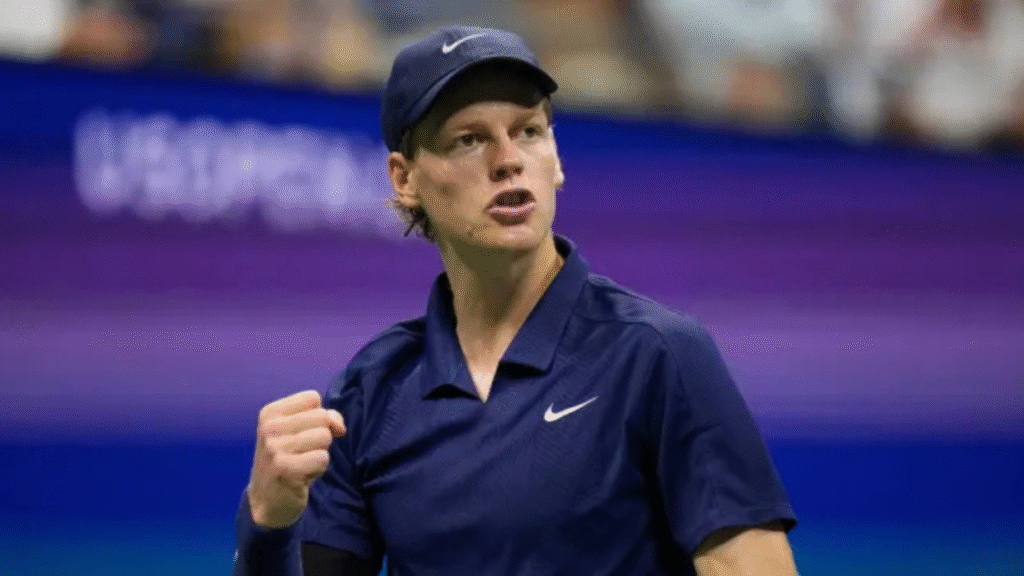
“We play for joy and for our fans. When something like this happens, it reminds us how fragile life can be.”
American player Taylor Fritz also addressed the tragedy:

“You never expect to see something like that in the stands. It puts everything into perspective.”
The ATP confirmed that all medical protocols were followed and that event safety measures were reviewed immediately following the incidents.
Still, the double tragedy has sparked a wider conversation about spectator health and event readiness — not just in tennis, but across all major sports.
When the Spotlight Turns to Safety
Modern sports arenas are designed for excitement, not emergencies.
Crowds are often dense, emotions run high, and access to exits or medical zones can be limited once play begins.
While every major venue includes first-aid centers, defibrillators, and paramedics on standby, response time is the difference between life and death during a cardiac event.
According to global sports medicine data, survival rates for sudden cardiac arrest decrease by 10% every minute without immediate CPR or defibrillation.
In Turin, medics responded within minutes — but even rapid intervention couldn’t save the two victims.
That reality has reignited urgent questions:
- Are arenas adequately staffed with trained medical professionals for the size of their audiences?
- Should fan villages and external entertainment areas have equal medical coverage as the main arena?
- And are older fans — a major demographic for tennis — receiving sufficient health guidance before and during attendance?
The Human Factor: Age, Health, and the Love of Sport
The ATP Finals attracts a unique audience — passionate tennis followers, many of whom have been fans for decades.
Many spectators are middle-aged or senior adults, attending not only for entertainment but for a sense of connection to the sport’s history.
However, older fans are also at higher risk of heart complications, particularly in emotionally charged or physically demanding environments.
The excitement of competition, combined with travel, dehydration, or fatigue, can increase cardiovascular strain.
Doctors emphasize that the risk doesn’t come from the sport itself, but from the cumulative stress of travel, standing, cheering, and exposure to changing temperatures or high altitude — all factors that can affect cardiac function.
Medical experts say the tragedy in Turin should encourage event organizers to rethink how they support older fans:
- Offering pre-event health information and wellness reminders.
- Placing visible emergency stations near high-traffic areas.
- Encouraging fans to alert staff immediately at the first sign of discomfort — no matter how minor.
Lessons for the World: A Global Wake-Up Call
Though this tragedy unfolded in Italy, its message echoes across continents.
From Wimbledon to the U.S. Open, and from NFL Super Bowls to NBA Finals, the fan experience is often built on energy and spectacle — but not necessarily safety awareness.
The Turin incidents underscore a need for international event organizers to collaborate on best practices:
- Universal AED (defibrillator) access in all fan zones, not just in locker-room areas.
- Public medical awareness signage, guiding spectators on what to do in emergencies.
- Trained crowd marshals capable of performing basic first aid until medics arrive.
Fans often assume that world-class events are fully prepared for every scenario.
But history has shown — from fainting incidents in football stadiums to crowd surges at concerts — that even top-tier venues can be overwhelmed when emergencies occur in unexpected places.
ATP Finals Organizers Under Pressure to Review Protocols
The FITP and ATP have faced calls from media and fans to review their on-site medical infrastructure, particularly outside the arena’s main floor.
While their official statement confirmed all emergency measures were followed, many commentators argue that “following protocol” isn’t always enough.
Sports safety consultant Dr. Marco Reggiani, speaking to Italian media, noted:
“Response time can be perfect on paper but still too late in reality. The chain of survival starts the moment a bystander recognizes distress, not when the medics arrive.”
That perspective suggests more training and awareness for event staff, security guards, and even fans themselves — empowering everyone present to react quickly.
What Every Fan Should Know Before Attending a Major Event
Here’s what spectators — especially middle-aged or senior fans — can do to minimize risk at large events:
Before You Go
- Consult your doctor if you have a history of heart issues or blood pressure problems.
- Bring prescribed medications and keep them accessible (not in lockers or bags left behind).
- Avoid heavy meals, smoking, or alcohol before entering the venue.
At the Venue
- Hydrate regularly — dehydration can raise heart stress.
- Know where medical or first-aid stations are located.
- If you feel dizzy, short of breath, or unusually tired, alert an usher or staff member immediately.
- Keep emergency numbers or family contact info ready on your phone’s lock screen.
For Companions
- Observe your family or friends — if they show confusion, pallor, or clutching of chest, act instantly.
- Don’t wait for medical personnel — call for help loudly to attract crowd attention.
- Encourage those with health concerns to sit in accessible seating zones near exits or medical stations.
Could This Have Been Prevented?
That’s the question no one can answer definitively.
Medical emergencies are, by nature, unpredictable. Even perfect systems can’t prevent every tragedy.
However, the frequency of cardiac-related incidents at major sporting events suggests a pattern that can’t be ignored.
In the U.S. alone, an estimated 356,000 out-of-hospital cardiac arrests occur every year — and while most happen at home, roughly 5% occur in public or event venues.
If even one life could be saved through faster recognition, better equipment placement, or improved training, the changes would be worthwhile.
A Turning Point for Event Safety
The double tragedy in Turin may become a watershed moment for how global sports organizations handle spectator safety.
After the pandemic, much attention was rightly given to crowd spacing, sanitation, and health verification. Now, physical safety — particularly cardiac preparedness — must move to the forefront.
The ATP, WTA, and other sports federations may now consider:
- Establishing a universal medical safety standard for tournaments.
- Training ushers, volunteers, and even fans to use AEDs confidently.
- Requiring real-time medical reporting systems to share critical emergencies with all venue staff simultaneously.
The Bigger Picture: Health, Humanity, and the Passion of Sport
Behind the headlines are two families who lost loved ones during what should have been a joyful day.
Their deaths remind us that sports — for all its glory — exists within the real world of human fragility.
Yet, they also remind us of something deeper:
The fact that people in their seventies still attend international sports events reflects the power of human connection through sport.
These were fans who lived their lives with passion — traveling, cheering, celebrating the athletes they loved.
In honoring their memory, perhaps the best tribute the sports world can give is improving how it protects its fans.
Expert Insight: What the U.S. Can Learn
American venues already lead in event logistics, but there’s room for improvement in public medical readiness.
Unlike player-focused emergencies (where medics stand courtside), spectator care often depends on distance, visibility, and communication.
Experts suggest every large U.S. stadium and arena should:
- Conduct pre-event emergency drills including crowd simulations.
- Equip security and food staff with AED training.
- Offer public safety tutorials on big screens before matches.
Such measures not only save lives but also build trust between fans and event organizers — a crucial ingredient for repeat attendance and brand loyalty.
FAQs
Q1: What happened at the ATP Finals 2025 in Turin?
Two spectators died after suffering cardiac arrests — one in the Fan Village and one inside the arena — during the tournament’s second day.
Q2: Were the matches canceled?
No. Play resumed after brief medical delays. Organizers prioritized emergency response and confirmed the continuation of the schedule.
Q3: How are event organizers responding?
The ATP and FITP expressed condolences and began internal reviews of safety and emergency protocols.
Q4: Why does this matter globally?
The tragedy highlights that even top-tier venues can face gaps in spectator medical preparedness, prompting reviews across international sports.
Q5: What should spectators do at big events?
Stay hydrated, know medical points, act early if feeling unwell, and always inform staff immediately of distress — even mild symptoms.
Conclusion
The 2025 ATP Finals will be remembered not only for the tennis, but for a tragedy that has shaken fans and organizers alike.
Two lives were lost — yet their memory may lead to stronger awareness, better systems, and safer experiences for millions of fans worldwide.
As the season moves forward, the global sports community faces a simple truth:
The passion that fills stadiums must be matched by the responsibility to protect everyone inside them.