


Understanding Dry Needling: Benefits, Safety, and Medical Concerns
Dry needling has gained increasing attention in recent years as a treatment option for muscle pain, stiffness, and movement problems. The technique is commonly used in physical therapy clinics, sports medicine facilities, and rehabilitation centers, particularly among athletes and individuals dealing with chronic pain.
Recent headlines, including reports involving professional athletes, have also drawn public attention to the potential risks associated with dry needling. While complications are rare, they have raised questions about how the procedure works, who should perform it, and what patients should know before undergoing treatment.
This article provides a neutral, fact-based overview of dry needling—what it is, how a typical session works, its potential benefits, known risks, and how it differs from acupuncture.
What Is Dry Needling?


needling is a therapeutic technique used to treat musculoskeletal pain and movement dysfunction. It involves inserting thin, solid needles into specific areas of muscle known as trigger points—tight bands or knots that can cause pain and limit movement.
The term “dry” refers to the fact that the needles do not inject any medication or fluid into the body. Unlike injections, the needles used in dry needling are solid and extremely fine.
The technique is rooted in Western medical science and is based on anatomy, physiology, and neuromuscular principles. Dry needling is often used as part of a broader physical therapy or rehabilitation program rather than as a standalone treatment.
What Is a Dry Needling Session Like?

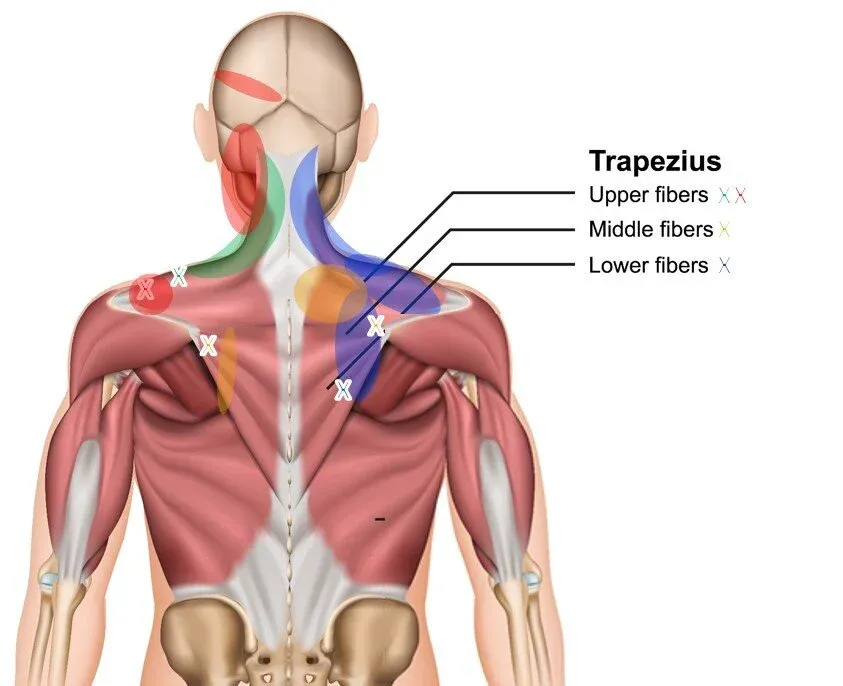
A typical dry needling session begins with an assessment by a trained healthcare provider, such as a physical therapist, chiropractor, or physician. The provider identifies muscle trigger points that may be contributing to pain or restricted movement.
During the Session
- The skin is cleaned to reduce the risk of infection
- A sterile, single-use needle is inserted into the trigger point
- The needle may be placed shallowly or deep into the muscle, depending on the target area
- Some providers use a “pistoning” motion, gently moving the needle in and out
Patients may feel:
- A brief sharp sensation when the needle enters
- Muscle twitching or cramping, which is considered a normal response
- Temporary discomfort or soreness
The needles may remain in place for a few seconds or up to 20 minutes, depending on the technique used.
What Is Dry Needling Therapy Used For?
Dry needling therapy is commonly used to address:
- Muscle tightness and spasms
- Myofascial pain syndrome
- Sports-related injuries
- Neck and back pain
- Shoulder, hip, and knee pain
- Limited range of motion
- Headaches related to muscle tension
It is frequently used in athletic settings as part of injury recovery or performance maintenance programs.
Potential Benefits of Dry Needling

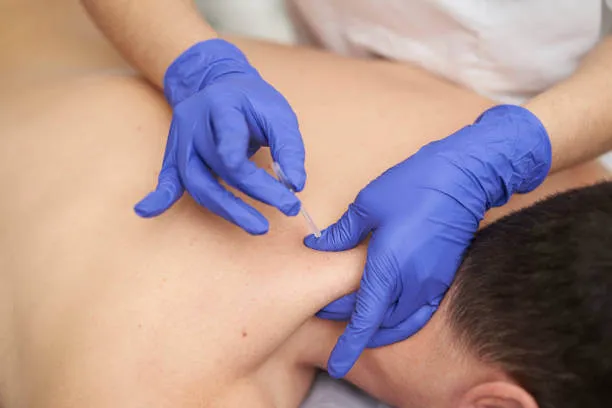
Research and clinical experience suggest that dry needling may provide several benefits when performed by trained professionals:
Pain Relief
By targeting trigger points, dry needling may help reduce localized and referred pain.
Improved Mobility
Relaxing tight muscles can improve joint movement and flexibility.
Faster Recovery
Some patients report quicker recovery from muscle injuries when dry needling is combined with physical therapy exercises.
Reduced Muscle Tension
Trigger point release may help restore normal muscle function.
It is important to note that results vary between individuals, and dry needling is not effective for every condition or patient.
Common Side Effects
Most side effects associated with dry needling are mild and temporary. These may include:
- Muscle soreness lasting 24 to 48 hours
- Bruising at the needle site
- Fatigue
- Lightheadedness
- Minor bleeding
These effects typically resolve without medical intervention.
What Are the Risks of Dry Needling?


Although dry needling is generally considered safe when performed correctly, it is an invasive procedure and carries some risks.
Infection
Improper sterilization or technique can increase infection risk, though this is rare when sterile needles are used.
Nerve or Blood Vessel Injury
Incorrect needle placement may cause temporary irritation or injury.
Collapsed Lung (Pneumothorax)
In extremely rare cases, needling in the chest, neck, or upper back can puncture the lung, leading to a partial or full collapse. This condition requires immediate medical attention.
Medical experts emphasize that pneumothorax is uncommon but possible, particularly when dry needling is performed near the rib cage.
Why Collapsed Lung Cases Draw Attention
Recent reports involving professional athletes have highlighted the rare but serious risk of lung injury associated with dry needling. In these cases, the lung collapse occurred after treatment near the chest or upper back.
Health professionals stress that:
- Such complications are very rare
- Risk increases when deep needling is performed near vital structures
- Proper training and anatomical knowledge are essential
These incidents have renewed discussions around regulation, training standards, and patient awareness.
Who Can Perform Dry Needling?
Regulations governing dry needling vary by location. In many regions, dry needling is performed by:
- Physical therapists
- Chiropractors
- Sports medicine physicians
- Other licensed healthcare professionals
Some states or countries have clear guidelines, while others operate in regulatory gray areas. Professional organizations often require additional certification and training before practitioners can offer dry needling.
Patients are encouraged to ask providers about:
- Their training and certification
- Experience with dry needling
- Safety protocols
Dry Needling vs Acupuncture
Dry needling is often confused with acupuncture because both use thin needles, but they are fundamentally different practices.
Dry Needling
- Based on Western medical science
- Focuses on muscles and trigger points
- Typically performed by physical therapists or medical professionals
Acupuncture
- Rooted in traditional Chinese medicine
- Based on energy pathways called meridians
- Performed by licensed acupuncturists
- Aims to treat whole-body balance
While the tools look similar, the philosophy, training, and goals differ significantly.
Is Dry Needling Safe?
Most medical organizations consider dry needling safe when:
- Performed by a trained, licensed provider
- Used as part of a comprehensive treatment plan
- Proper hygiene and anatomical guidelines are followed
Patients should seek immediate medical care if they experience:
- Shortness of breath
- Chest pain
- Severe dizziness
- Worsening pain after treatment
Who Should Avoid Dry Needling?
Dry needling may not be suitable for everyone. Caution or avoidance is often advised for:
- Individuals with bleeding disorders
- Patients on blood thinners
- Those with compromised immune systems
- Pregnant individuals (certain areas)
- Patients uncomfortable with needles
A medical evaluation is recommended before treatment.
Conclusion
Dry needling has become a widely used therapy for muscle pain and movement issues, particularly in physical therapy and sports medicine. For many patients, it offers meaningful pain relief and improved mobility when used appropriately.
However, as with any invasive procedure, dry needling carries risks. While serious complications such as a collapsed lung are rare, they highlight the importance of proper training, patient awareness, and informed consent.
As interest in dry needling continues to grow, healthcare experts emphasize balanced discussion—recognizing both its benefits and limitations—so patients can make informed decisions about their care.