
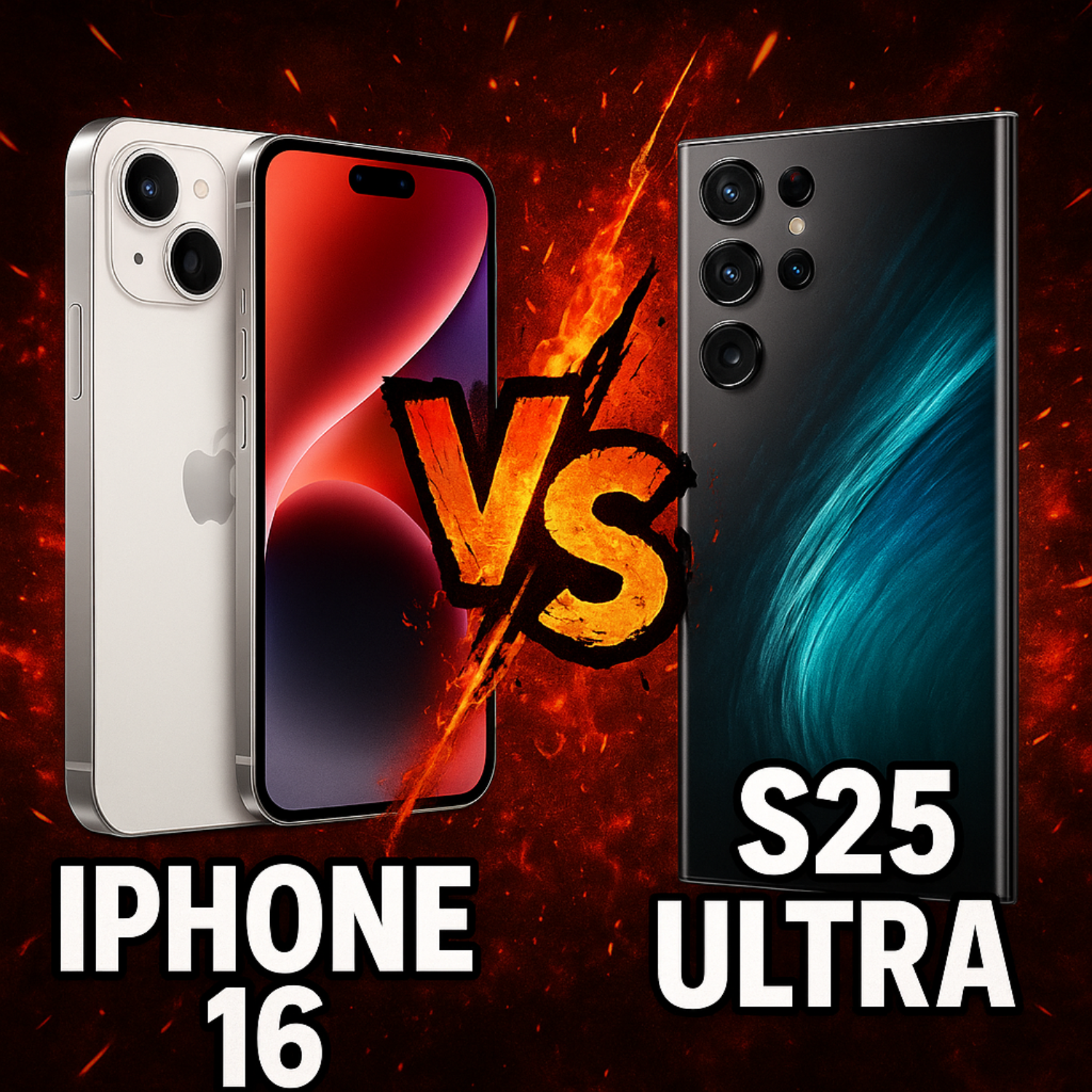
iPhone 16 vs Samsung S25 Ultra: The Ultimate 2025 Buyer’s Comparison
If you’re shopping for a premium smartphone in 2025, two top contenders stand out: the Apple iPhone 16 and the Samsung Galaxy S25 Ultra. Both pack flagship performance, cutting-edge cameras, long software support, and hefty price tags. But despite their similarities, each takes a different approach. This detailed comparison will help you decide which is the right pick for you—covering design, display, camera, performance, software, battery & charging, value and final verdict.
Design & Build
iPhone 16 uses an aluminium frame, Ceramic Shield front and colour-infused glass back. Its dimensions: 147.6 mm height, 71.6 mm width, 7.8 mm thickness, and 170 g weight. With familiar flat edges and new colour options (Black, White, Pink, Teal, Ultramarine) it maintains Apple’s signature styling.
Galaxy S25 Ultra upgrades to a titanium frame (in some markets) and Gorilla Armor 2 glass, reducing fragility. The weight: ~218 g and thickness ~8.2 mm. While slightly heavier, the Ultra offers premium materials and a larger footprint.
Winner: Apple for lighter, narrower form-factor; Samsung for premium materials and larger display asset.
Display
iPhone 16: 6.1-inch Super Retina XDR display, OLED, 2556×1179 resolution, contrast ratio ~2,000,000:1.
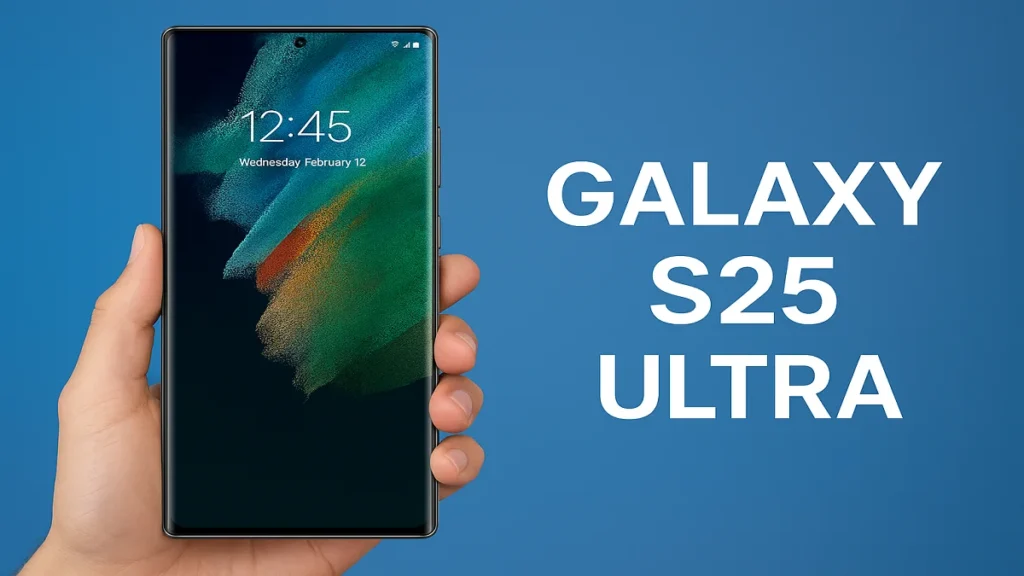
Galaxy S25 Ultra: 6.9-inch Dynamic AMOLED 2X, QHD+ (~3120×1440), 120Hz refresh, peak brightness up to 2600nits.
Samsung clearly leads in size, refresh rate and resolution—ideal for media, gaming and multitasking. If you prefer compact, the iPhone wins.
Winner: Samsung for display tech; Apple for compact usability.
Camera Systems
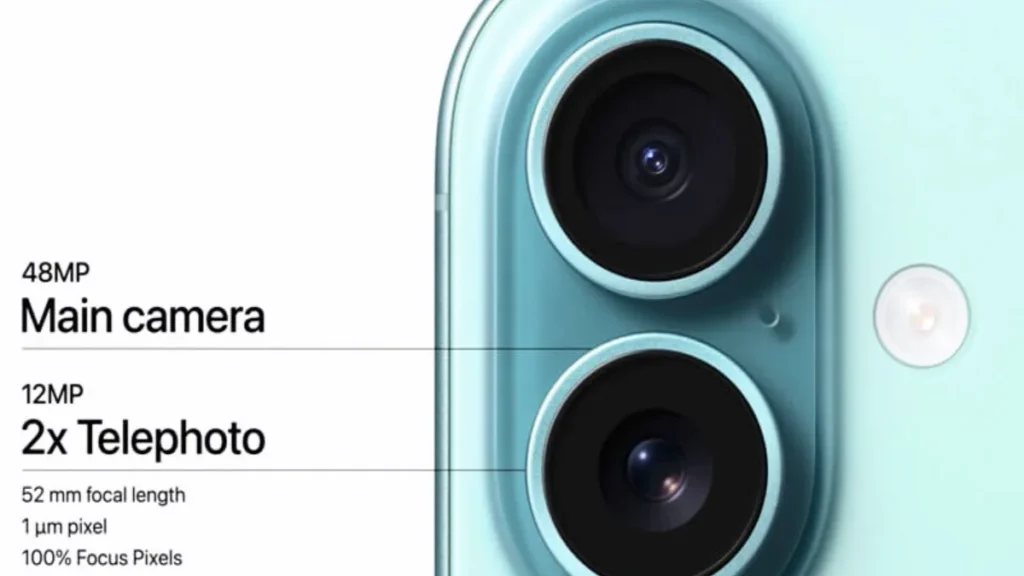
iPhone 16: Highlighted specs: 48MP main sensor, 12MP ultrawide, 12MP selfie. Advanced computational photography, Photonic Engine, Deep Fusion and Smart HDR5.
Galaxy S25 Ultra: 200MP main sensor, 50MP ultrawide, 50MP 5× telephoto, 10MP 3× telephoto + 12MP front. ProVisual engine, advanced zoom and AI enhancements.
Bottom line: If zoom, resolution and versatility matter—Samsung is superior. For simplicity, color accuracy, video and ease of use—Apple still shines.
Winner: Samsung for camera setup; Apple for ecosystem and video experience.
Performance & Software
iPhone 16 runs Apple’s A18 chip, optimized for efficiency and longevity. iOS ecosystem, years of updates guaranteed.
Samsung S25 Ultra uses Snapdragon 8 Elite (or equivalent regional), up to 16GB RAM + up to 1TB storage. Runs Android 15 + One UI 7 with Galaxy AI features built-in.
Both deliver exceptional performance; Apple tends to get longer update support, Samsung offers more hardware flexibility and features.
Winner: Tie—choose based on ecosystem preference.
Battery & Charging
iPhone 16: While Apple doesn’t always lead in sheer battery specs, it delivers excellent optimization and efficiency.
Samsung S25 Ultra: 5000mAh battery + improved cooling and 45W wired/25W wireless charging.
Samsung offers faster charging and bigger battery; Apple offers smoother all-day performance with less need to charge.
Winner: Samsung for raw battery and charging; Apple for daily reliability.
Ecosystem & Features
Apple ecosystem: tight integration (AirPods, iPad, Mac), industry-leading app support, resale value.
Samsung ecosystem: broader hardware diversity (S-Pen support on Ultra, foldables, SmartThings), expandable storage and hardware features. Ultra also emphasises AI features and future-proofing.
If you’re invested in either ecosystem, stick accordingly.
Winner: Depends on ecosystem preference.
Value & Price
iPhone 16 commands premium price; entry storage size may be higher cost than previous years.
Samsung S25 Ultra is similarly premium, but often offers more storage/hardware for the price. According to reviews, S25 Ultra remains a top Android option but doesn’t move much from S24 generation improvements—affecting the value calculus.
For value-conscious buyers: choose whichever deals better in your region, and consider storage/upgrades carefully.
Winner: Slight edge to Samsung for hardware vs cost.
Which One Should You Buy?
- Pick iPhone 16 if you: prefer compact size, seamless Apple integration, best video recording, longer software support, simpler experience.
- Pick Galaxy S25 Ultra if you: want the largest display, best camera hardware, S-Pen functionality, Android flexibility, and best zoom/AI features.
- Budget tip: Compare current pricing, consider previous generation discounts (iPhone 16 Pro, S24 Ultra) if value matters more than bleeding-edge specs.
Final Verdict
Both are top‐tier flagship smartphones in 2025. Neither choice is “wrong”. The decision hinges more on ecosystem, form-factor preference, and feature priorities.
If you’re upgrading from an older phone (3+ years) both will feel like major leaps. But if you already own something recent, ask: “Will this upgrade make a big tangible difference for my daily use?”
Summary Table
| Feature | iPhone 16 | Samsung S25 Ultra |
|---|---|---|
| Display | 6.1″ OLED | 6.9″ QHD+ 120Hz |
| Main Camera | 48MP | 200MP + Zoom options |
| OS/Chip | A18 / iOS | Snapdragon 8 Elite / Android 15 |
| Battery / Charging | Efficient | 5000mAh + 45W wired |
| Ecosystem | Apple ecosystem | Samsung/Android ecosystem |
| Premium Features | Simplicity, video | Zoom, S-Pen, AI features |
| Weight | ~170g | ~218g |
| Best for | Compact flagship, Apple users | Max specs, Android enthusiasts |
Closing
Whether you pick the iPhone 16 or Samsung Galaxy S25 Ultra, you’ll get cutting-edge technology, outstanding cameras and performance that will last years. Focus instead on what you value most—compactness vs screen size, ecosystem, camera priorities—and you’ll choose the right phone for you.