
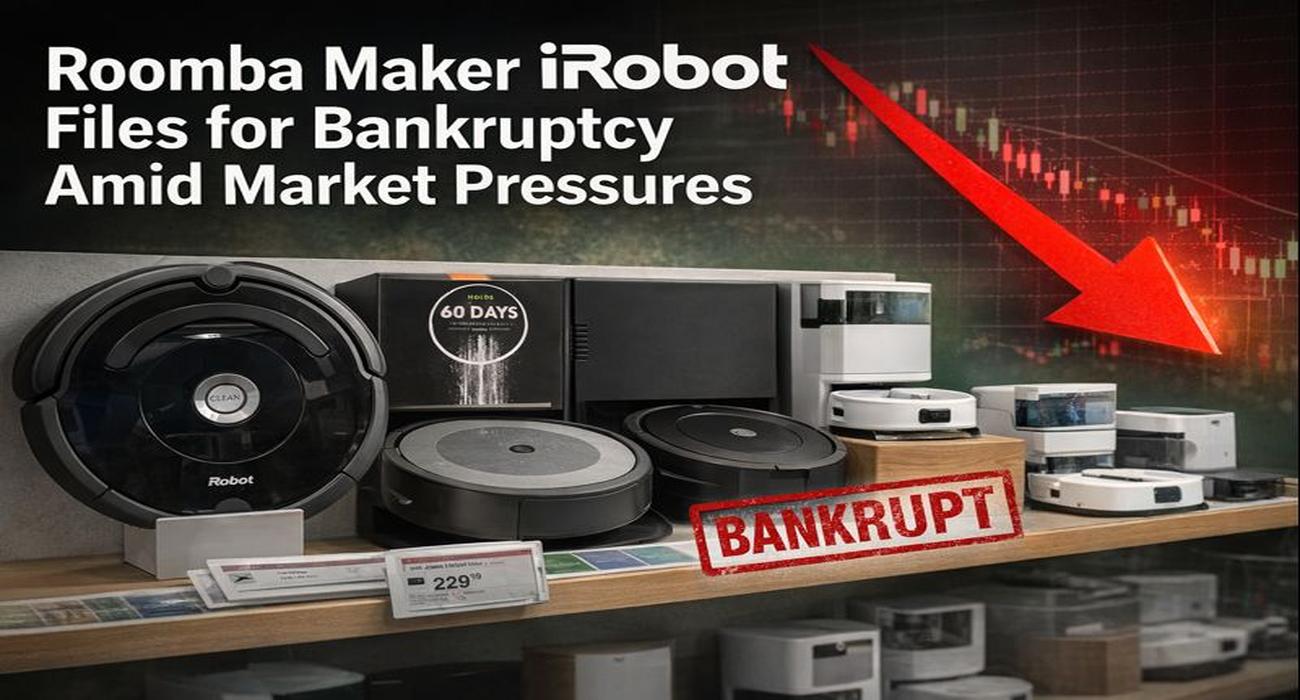
iRobot, Maker of Roomba Vacuums, Files for Chapter 11 Bankruptcy
The company behind the widely recognized Roomba robotic vacuum cleaner, iRobot Corp., has filed for Chapter 11 bankruptcy protection, marking a dramatic turn for one of the earliest pioneers in consumer robotics. The announcement comes after years of mounting financial strain, intense global competition, rising tariffs, and the collapse of a proposed acquisition by Amazon.
Despite the bankruptcy filing, iRobot has emphasized that its products will continue to function normally and that customer service, software updates, and app connectivity are expected to remain uninterrupted during the restructuring process.
Bankruptcy Filing and Ownership Change
Massachusetts-based iRobot confirmed that it has entered a pre-packaged Chapter 11 bankruptcy process, a form of restructuring designed to move quickly through court approval. As part of the plan, iRobot’s primary manufacturing partner, Picea Robotics, will assume full ownership of the company.
According to company disclosures, iRobot owes approximately $352 million to Picea, with nearly $91 million of that amount already past due. The agreement will result in iRobot becoming a privately held company once the restructuring is completed, which the company expects by February 2026.
Executives described the move as a necessary step to stabilize operations and preserve the business amid persistent losses.
Sharp Decline in iRobot Stock (IRBT)
The bankruptcy announcement triggered a dramatic reaction in financial markets. Shares of iRobot (NASDAQ: IRBT) plunged roughly 78%, falling to under $1 per share. At its peak in early 2021, iRobot carried a market valuation exceeding $4.5 billion. That figure has now dropped to roughly $140 million, reflecting a steep erosion of investor confidence.
Market analysts noted that iRobot’s stock had been under pressure long before the bankruptcy filing, as the company struggled to maintain profitability in a rapidly evolving consumer electronics landscape.
Failed Amazon Acquisition Looms Large
One of the most significant setbacks in iRobot’s recent history was the collapse of a $1.7 billion acquisition deal with Amazon, announced in 2022 and abandoned in early 2024.
The deal faced scrutiny from regulators in both the United States and the European Union, with competition authorities raising concerns over data privacy and market dominance. Ultimately, Amazon withdrew from the agreement, citing regulatory resistance.
The termination of the deal had an immediate and severe impact on iRobot’s finances and share price, removing what many investors viewed as the company’s best chance for long-term stability.
Competitive Pressure From Abroad
iRobot has faced growing competition from Chinese and Asian manufacturers producing lower-cost robotic vacuum cleaners with advanced features such as AI navigation, self-emptying docks, and integrated smart-home controls.
Many of these competitors operate with lower production costs and faster innovation cycles, forcing iRobot to cut prices while increasing spending on research and development. This combination significantly narrowed profit margins.
Industry analysts say the robotic vacuum market has shifted from innovation-driven growth to price-driven competition, a change that has disadvantaged legacy brands like iRobot.
Impact of Tariffs and Manufacturing Costs
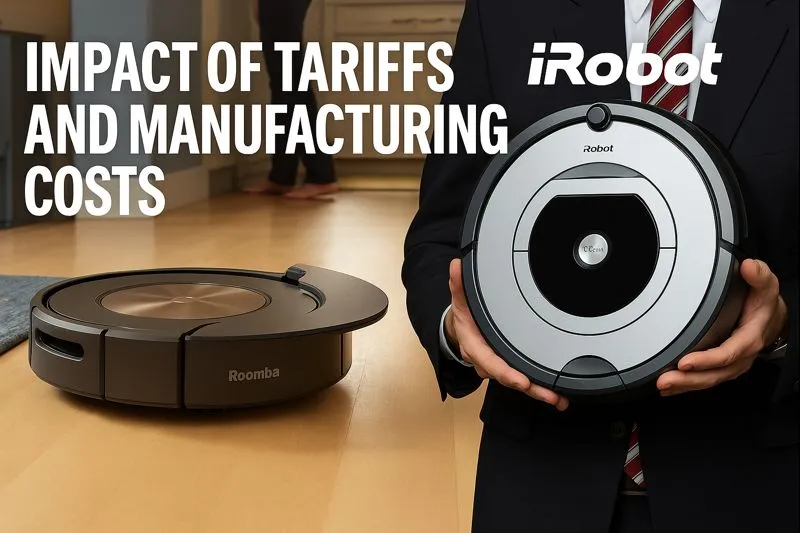
Trade policy has also played a role in iRobot’s financial difficulties. The company manufactures a large portion of its products in Vietnam, where U.S. import tariffs reached as high as 46% on certain goods.
iRobot disclosed that tariffs alone added approximately $23 million in costs during the past year. These additional expenses further strained a business already operating at a loss.
Company filings indicated that absorbing these costs without raising consumer prices proved unsustainable.
Assurance to Roomba Customers
Amid concerns from consumers, iRobot moved quickly to reassure users that their Roomba devices would not be affected.
Company representatives stated that:
- Roomba vacuums will continue to work
- Mobile apps and cloud services will remain operational
- Warranties and customer support will stay in place
The company addressed fears of devices becoming unusable, commonly referred to as “bricking,” emphasizing that operations would continue “as usual” throughout the restructuring.
iRobot’s Long History in Robotics
Founded in 1990 by researchers from the Massachusetts Institute of Technology’s Artificial Intelligence Lab, iRobot initially focused on defense and space robotics before pivoting to consumer products.
The launch of the Roomba in 2002 helped define the robotic vacuum category and made iRobot a household name. At its height, the company controlled more than 40% of the U.S. robotic vacuum market and a majority share in Japan.
For years, iRobot symbolized innovation in home automation, but the market it helped create has since become crowded and fiercely competitive.
Broader Industry Context
The bankruptcy highlights broader challenges facing consumer electronics companies, particularly those dependent on hardware sales in markets with shrinking margins.
Experts note that while demand for smart home devices remains strong, profitability has become harder to achieve due to:
- Rising component costs
- Global supply-chain complexity
- Aggressive pricing from overseas competitors
- Increased regulatory scrutiny
iRobot’s situation is increasingly seen as a cautionary tale for hardware-focused technology firms.
What Happens Next
Under the restructuring plan:
- iRobot will exit public markets
- Picea Robotics will control operations
- The company will continue selling Roomba products
- Court oversight will guide debt restructuring
Executives say the goal is to preserve the brand while adapting to a more competitive and cost-conscious market environment.
Conclusion
iRobot’s bankruptcy marks the end of an era for one of the most recognizable names in consumer robotics. While Roomba devices will continue to operate and the company plans to remain in business, the filing underscores the challenges of sustaining innovation, profitability, and independence in today’s global tech market.
For consumers, the immediate impact appears limited. For investors and the broader industry, iRobot’s fall reflects deeper structural shifts reshaping the future of consumer technology.